
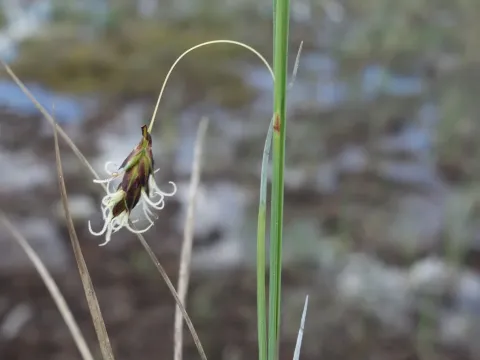
Bog sedge
Carex limosa
Bog sedge (Carex limosa) is a perennial herbaceous plant belonging to the Cyperaceae family. It is specifically adapted to waterlogged environments, possessing long, slender rhizomes that anchor it firmly in the soft, unstable peat substrates of fens and bogs.
What the section contains
Bog sedge
The species naturally occurs in boreal and temperate regions across the Northern Hemisphere. It thrives in high-acidity environments where water tables remain at or above the surface level, making it a critical indicator species for peatland health.
Botanically, the plant is characterized by its drooping spikes and narrow leaves, which are adaptations to wind pollination in open wetland habitats. It serves as a primary producer in these nutrient-poor ecosystems, contributing significantly to the organic matter cycle.
In terms of agricultural or environmental application, bog sedge is essential for wetland restoration and the stabilization of peat soils. Its root network helps to mitigate erosion and maintain the structural integrity of bog surfaces in disturbed areas.
The climate requirements for this species include high humidity and consistent moisture availability. While it shows remarkable cold tolerance, it is poorly suited for dry environments, as its physiological processes are strictly dependent on the presence of abundant groundwater.
The primary threat to bog sedge populations is large-scale drainage for agricultural expansion or peat extraction. The subsequent drop in the water table alters the chemistry of the habitat, leading to the rapid disappearance of the species.
The plant is generally resilient to pathogens in its natural habitat due to the harsh chemical conditions of peat bogs. However, pollution from nitrogen-rich agricultural runoff can introduce invasive competition and create favorable conditions for disease outbreaks.
Insect pests, including various larvae of moths that feed on sedge tissues, can reduce the plant's reproductive success. In small or isolated populations, such pressures can significantly impact the long-term viability of the colony.
Changes in pH levels caused by atmospheric deposition or water contamination can be detrimental. As a highly specialized species, bog sedge has limited tolerance for fluctuating chemical parameters, which can disrupt its symbiotic soil interactions.
Physical disruption of the bog surface is another significant risk factor. Trampling by animals or heavy machinery compresses the peat, suffocating the roots and damaging the interconnected rhizome system, which is vital for the plant's survival.