
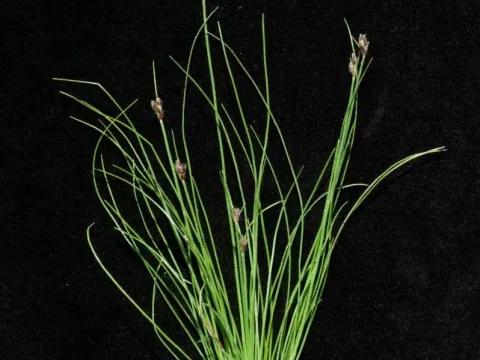
Bulbostylis coleotricha
Bulbostylis coleotricha
Bulbostylis coleotricha is a perennial herbaceous plant belonging to the Cyperaceae family. It is recognized for its adaptation to specific tropical and subtropical environmental conditions, playing a role in savanna ecosystems.
What the section contains
Bulbostylis coleotricha
Originating from South America, particularly Brazil, this species is well-adapted to savanna climates characterized by distinct wet and dry seasons. It thrives in open, sunny habitats with good drainage.
The crop prefers soils with moderate fertility and is known for its ability to tolerate nutrient-poor conditions. Providing optimal sunlight is essential for biomass production, as the plant is highly heliophilic in nature.
Agricultural management includes site selection with sufficient aeration to prevent water stagnation. While the species is resilient, soil pH should be monitored to ensure it stays within the slightly acidic to neutral range.
The primary economic potential of the plant lies in its use as a component of natural pastures. It contributes to soil stability and offers a level of resilience in harsh tropical climates where more sensitive forage crops fail.
The most significant threats to Bulbostylis coleotricha include fungal diseases that manifest during periods of excessive rainfall or poor soil drainage. Root decay is the primary result of such environmental stress.
Insect pests such as leaf-eating beetles and caterpillars often target the plant, potentially causing severe damage to the foliage and reducing the total yield of the pasture.
Weed competition poses a significant risk, especially during the establishment phase. The slow growth rate of this species necessitates effective weeding practices to prevent it from being choked by more aggressive competitors.
Environmental fluctuations, particularly unexpected frosts or prolonged droughts, can disrupt the plant's physiological cycles. Farmers must ensure proper monitoring to mitigate the negative impacts of such conditions.
Standard phytosanitary practices involve identifying signs of necrosis or discolored leaves early. While chemical intervention is rarely used, integrated pest management is encouraged to preserve the ecosystem's health.