
Senda sedge
Carex sendaica
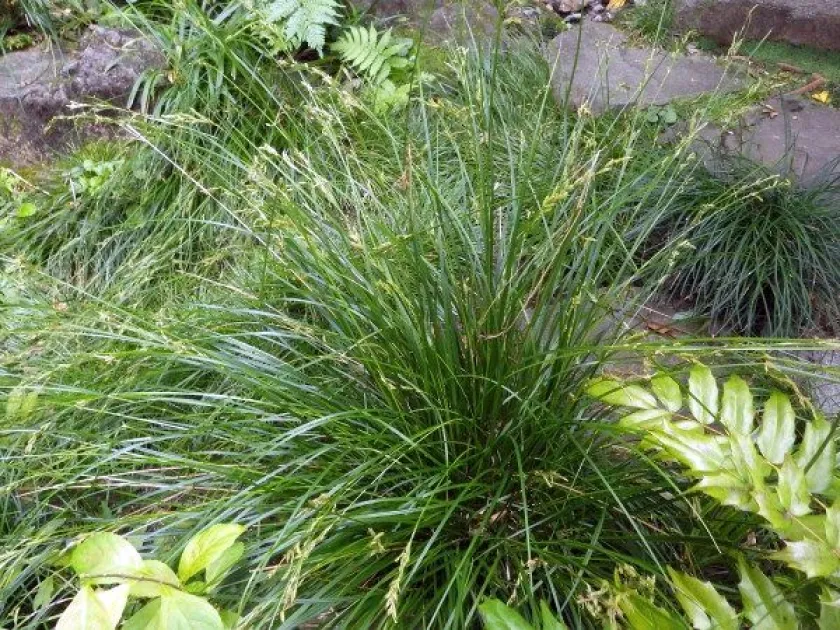
Description
Sowing dates
Sowing of Carex sendaica is typically planned for the spring season when soil temperatures reach 10–12°C. Seeds often require a period of stratification to improve germination rates and uniformity of emergence.
In commercial nursery production, vegetative propagation via division is the preferred method. This technique ensures the preservation of phenotypic traits and allows for a faster production cycle of saleable plants compared to seed-based growth.
Division is best performed in early spring, just before the onset of the growing season, or in late summer to allow for root establishment before the onset of winter. Rhizomes should be carefully separated into clusters with robust root systems.
Transplanting into the field requires maintaining a spacing of 30–50 cm between plants. Proper spacing ensures optimal light penetration and airflow, which is critical for preventing fungal infections that often thrive in dense, stagnant foliage.
Irrigation immediately after planting is essential for seedling establishment. During the first few weeks, maintaining consistent soil moisture is vital; however, irrigation management must prevent waterlogging to avoid root rot.
Growing requirements
Carex sendaica, belonging to the Cyperaceae family, is a perennial herbaceous plant known for its ornamental appeal. Its native habitat includes moist, naturally occurring environments, which dictates its agricultural needs.
The crop thrives in well-drained, yet consistently moist, fertile soils with a pH ranging from neutral to slightly acidic. Improving soil texture with organic matter is recommended for heavier clay-based soils to ensure proper root development.
This species shows high adaptability to various light conditions but performs best in partial shade. Excessive exposure to direct, high-intensity sunlight during the peak of summer may result in leaf tip burn or reduced aesthetic quality.
Senda sedge exhibits moderate cold hardiness. In regions prone to severe winters, applying a protective mulch layer around the base of the plant can insulate the roots and prevent damage from frost heave during early spring cycles.
Throughout the growing season, a balanced application of mineral fertilizers is beneficial. Growers should monitor nitrogen levels carefully, as excessive nitrogen can lead to rapid, weak growth that reduces the structural integrity of the foliage.
Yield
Yield for this culture is measured by the production of high-quality biomass and the number of viable units (nursery plants) generated from each mother plant. Commercial productivity is evaluated by the number of standard pots produced per unit area.
Under optimal management practices, a single healthy clump can yield between 5 and 8 divisions during a two-year cultivation cycle. The output is significantly influenced by soil fertility, plant age, and the quality of the parent material.
The vegetative biomass of Carex sendaica can serve as a useful organic mulch or a component in composting processes. Due to its high cellulose content, the foliage is durable and provides effective soil protection against erosion.
In landscaping, yield is defined by the plant's ability to create a dense, aesthetically pleasing ground cover within a short time frame. With appropriate spacing, a full cover is typically achieved by the end of the second growing season.
Maintaining stable yields requires proactive weed control. Weed competition for water and nutrients during the plant's establishment phase can lead to significant reductions in overall growth performance and product quality.
Main diseases and pests
Senda sedge generally possesses a strong immune system; however, poor aeration and humidity imbalances can facilitate fungal infections, such as rust. Routine sanitary cleaning of old foliage in early spring serves as an effective preventive measure.
Pests such as aphids and certain leaf-chewing insects can impact plant health. In cases of significant infestation, integrated pest management strategies, including the use of authorized systemic insecticides, may be necessary.
Slugs and snails can cause damage to tender new shoots, particularly during wet weather cycles. Utilizing mechanical barriers or targeted bait traps is an effective way to manage these pests without relying on heavy chemical applications.
Root rot is the most serious threat, usually associated with waterlogged soil conditions. Proper site selection and drainage management are the primary methods for preventing this condition, as established rot is difficult to treat.
Implementing crop rotation practices and ensuring physical distance from other Carex species susceptible to similar viral or fungal pathogens helps maintain long-term crop health and prevents the buildup of soil-borne diseases.
Harvesting
Harvesting of plant material for decorative use or stock propagation is best done when the plant is in a state of active growth or entering dormancy. Early spring is typically the most favorable time for lifting and dividing plants.
Pruning in autumn is essential for winterization. Cutting back the foliage to a height of 5–10 cm helps prevent the decomposition of dead leaves under snow cover, which improves the aesthetic appearance of the site in the following spring.
For container-grown stock, harvesting and distribution can occur throughout the growing season. Maintaining consistent moisture levels in containers is critical to prevent heat stress and desiccation of the root system during hot summer months.
When harvesting rhizomes for transport, it is crucial to protect the root ball from drying out. Wrapping the roots in moist burlap or protective plastic is recommended to maintain viability until the plants can be replanted.
Upon completing the harvest or division process, it is standard practice to sanitize all equipment. This prevents the unintentional spread of potential pathogens from one batch of plants to another, ensuring the biosecurity of the nursery.