
Scirpus koilolepis
Scirpus koilolepis
Description
Growing requirements
Scirpus koilolepis is an annual herbaceous plant belonging to the Cyperaceae (sedge) family. This species is primarily adapted to wetland environments, typically occupying marshes, riverbanks, and areas with high water tables, where it plays an ecological role in stabilizing the soil.
The environmental requirements for this plant focus heavily on water availability. It thrives in soils that remain saturated throughout the growing season. Adequate exposure to sunlight is crucial, as shading from taller vegetation or buildings can significantly reduce the biomass production of the plant.
Regarding soil conditions, it prefers heavy soils such as silts and clays that provide excellent water retention capacity. These soil types support the fibrous root system of the plant, allowing it to remain stable even during fluctuations in water levels, which are common in its natural habitats.
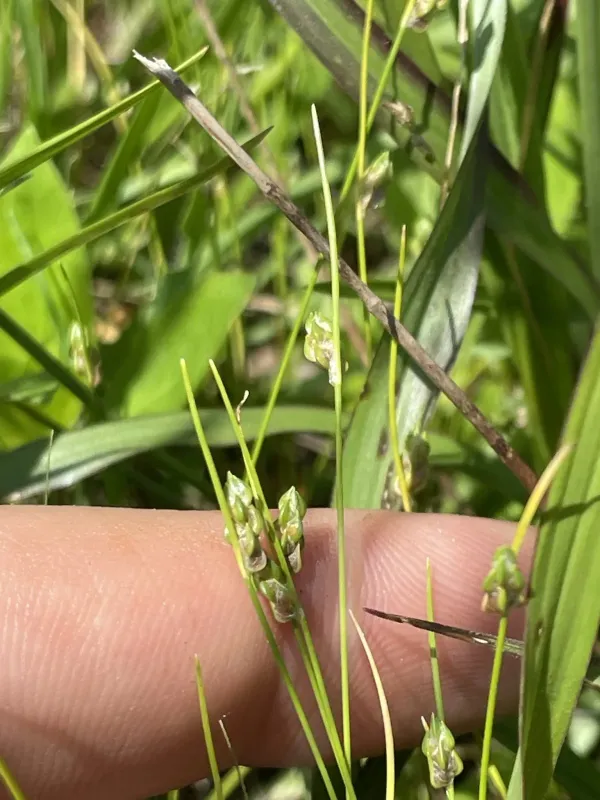
Botanically, Scirpus koilolepis is recognized by its specialized spikelets and slender, erect stems. The lifecycle of this plant is closely linked to seasonal moisture patterns, which trigger germination and subsequent rapid vegetative growth during the warmer months of the year.
Cultivation management involves maintaining the hydrologic balance of the field. Because the plant is sensitive to chemical runoff, organic cultivation practices are recommended. Monitoring the soil nutrient levels is essential, though the species is generally capable of extracting necessary elements from rich alluvial soils.