
River clubrush
Bolboschoenus fluviatilis
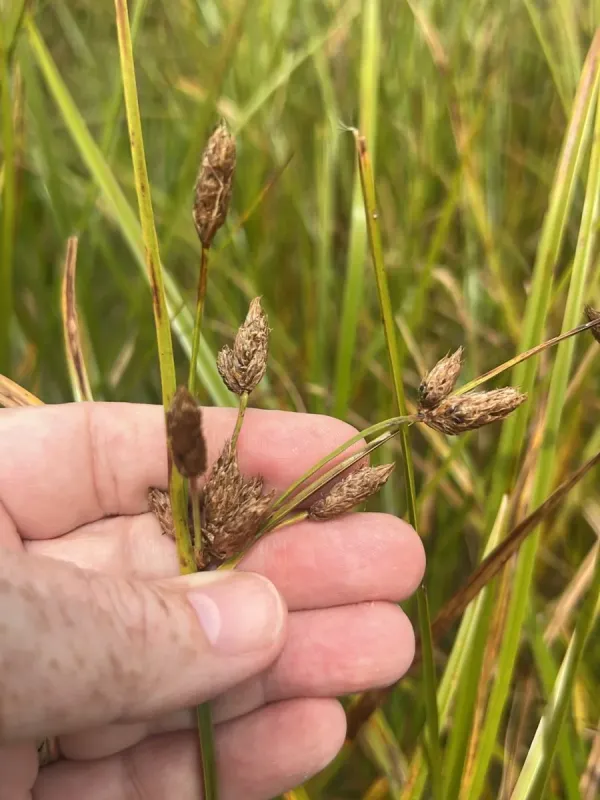
Description
Sowing dates
River clubrush (Bolboschoenus fluviatilis) is a perennial herbaceous plant belonging to the Cyperaceae family. It is primarily characterized by a robust rhizome system that supports its aggressive growth and propagation.
Propagation is typically achieved vegetatively through the division of rhizomes and tubers. This method is preferred in controlled environments to ensure rapid establishment and uniformity of the plant stand.
The optimal planting time is during the spring months, as soil and water temperatures rise, generally around April or May, allowing the roots to anchor firmly before the peak summer heat.
Tubers are planted at a depth of approximately 5 to 10 centimeters into a wet, nutrient-rich substrate. Correct planting depth is crucial to ensure protection from environmental stressors and proper shoot emergence.
While the plant can spread through seeds, commercial cultivation relies on tuber propagation because it ensures consistent and faster results compared to seedling development.
Growing requirements
This species is a hygrophyte, meaning it thrives in aquatic or waterlogged conditions. It requires consistent moisture and is well-adapted to areas with shallow inundation of up to 50 centimeters.
Soil preferences lean towards nutrient-dense, silty, or loamy substrates. The plant shows high tolerance for various pH levels but performs optimally in neutral to slightly alkaline environments.
Sunlight exposure plays a major role in growth; while the plant can survive in partial shade, maximum biomass production is achieved in open, sunny locations where photosynthesis is unobstructed.
Climate tolerance is significant; the plant survives harsh winters effectively, as the submerged tubers and rhizomes are insulated by the water column or wet mud from freezing temperatures.
Agricultural management requires keeping a stable hydrological regime. Fluctuations in water levels should be managed to avoid long periods of drought, which can impair the growth cycles.
Yield
River clubrush is highly productive in terms of biomass. In optimal conditions, it can generate substantial amounts of green fodder, which is valuable in marshland ecosystems and coastal agriculture.
The tuberous roots are rich in starches and sugars. Tuber production can reach 5 to 8 tons per hectare, providing a viable option for harvesting edible or industrial raw materials.
Green biomass yields are impressive, often reaching 15–20 tons per hectare. This makes the crop a candidate for sustainable biomass production or use as a natural mulch.
Accumulation of nutrients within the tubers peaks at the end of the growing season as the plant prepares for dormancy, making this the ideal time for harvesting for storage.
The plant also contributes to water purification by absorbing nitrogen and phosphorus, providing an indirect economic benefit through ecosystem service provision.
Main diseases and pests
The species is generally robust, but excessive moisture and stagnant water conditions can facilitate the development of fungal pathogens, particularly in dense, poorly ventilated stands.
Insect pests, including various beetles and lepidopteran larvae, may feed on the stems and leaves, potentially reducing the overall vigor and growth rate of the colony.
Invasive weed competition is a significant concern, as other fast-growing aquatic plants can outcompete the clubrush for space and sunlight if the population is not monitored.
Small mammals, particularly muskrats, can pose a threat by foraging on the rhizomes and tubers, potentially causing localized damage and affecting the density of the growth.
Integrated management involves maintaining water flow to prevent stagnation and regular inspection of the stalks for signs of parasitic damage or fungal decay.
Harvesting
Harvesting the aerial parts is typically performed using specialized machinery designed for wetland environments, often late in the growing season as the plant reaches full maturity.
Tubers are harvested by excavating the mud. This is often done after the water level has been lowered, allowing for mechanized access to the submerged root beds.
Post-harvest processing requires immediate washing to remove silt and organic residues, followed by drying if the tubers are intended for long-term storage or processing.
Care must be taken during excavation to preserve the integrity of the soil structure, ensuring that enough plant material remains to allow for natural regeneration in the following year.
Efficient collection techniques are essential to maintain the quality of the raw material, as high moisture content makes the tubers susceptible to rapid degradation if not processed correctly.