
Yagara bulrush
Bolboschoenus yagara
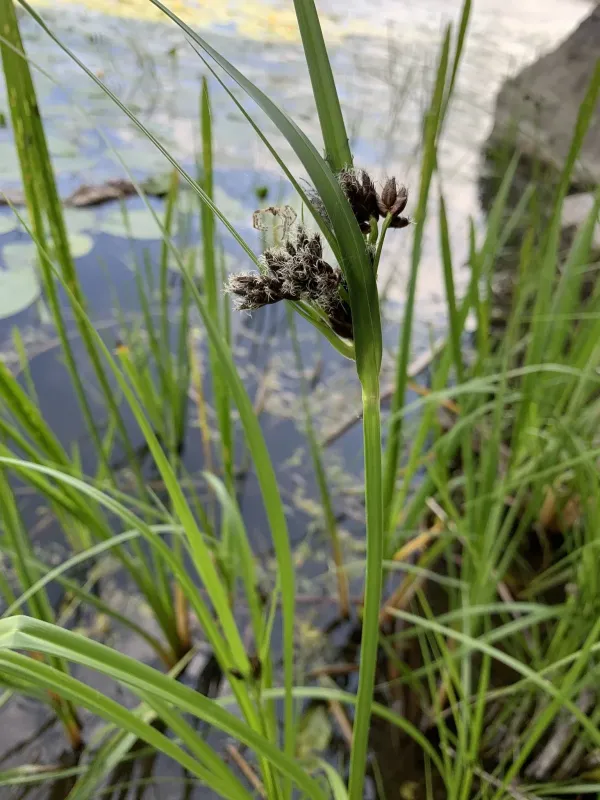
Description
Sowing dates
Yagara bulrush is a perennial rhizomatous plant that is primarily propagated vegetatively. The most effective way to establish a new plantation is by dividing mature rhizomes or using the tuberous growth typical of the species, usually performed in early spring.
If seeds are used for propagation, they require a cold stratification process to overcome dormancy. Seeds should be sown in moist, silty substrates or specialized nursery beds with constant water supply to ensure successful germination and seedling establishment.
When planting, it is crucial to place the rhizomes at a shallow depth of approximately 5–10 cm in water-saturated soil. Proper depth is essential to allow the young shoots to penetrate the surface without rotting prematurely.
Planting density depends on the goal: for shoreline restoration, a high-density pattern is used, while for commercial tuber production, spacing is increased to provide sufficient room for the expansion of the root system.
The plant spreads naturally through its underground structures, making it a low-maintenance crop once established. It can remain in the same location for a decade, provided the hydrological conditions remain consistent and favorable for growth.
Growing requirements
As an obligate hydrophyte, Yagara bulrush requires a wetland environment. It thrives in river floodplains, pond margins, and shallow marshes where water levels remain relatively stable throughout the growing season, typically up to 50 cm in depth.
The crop prefers rich, organic-heavy, silty or clay-loam soils. Neutral to slightly acidic soil conditions are ideal for nutrient uptake, mimicking the natural conditions found in healthy freshwater ecosystems.
Sunlight is a major factor in productivity. While the plant can tolerate partial shade, it reaches its maximum biomass potential and tuber yield in full, direct sunlight, which is necessary for efficient photosynthesis.
The plant is highly frost-tolerant and well-adapted to temperate climates. During the winter dormancy period, the rhizomes survive freezing temperatures if they remain protected by the insulating layer of water or saturated bottom sediments.
Effective management requires maintaining a consistent water level and monitoring the site for invasive species that might compete for nutrients. Regular water exchange in stagnant areas can prevent the accumulation of toxic compounds in the soil.
Yield
The primary harvestable product is the starch-rich tubers, which develop on the ends of the underground runners. In well-managed aquatic systems, yields can be significant, providing a reliable source of raw biomass for various industries.
The above-ground stems are also utilized. When harvested at the right time, these fibrous stalks serve as excellent material for ecological weaving, biodegradable packaging, and construction matting, adding secondary value to the crop.
Tuber carbohydrate accumulation peaks towards the end of the summer season. Timing the harvest to correspond with this biological maximum is essential to ensure the highest quality starch yield for industrial or food-related processing.
Mineral fertilization, specifically using potassium and phosphorus, can significantly boost tuber size and overall plant vigor. Nutrient management in wetlands must be careful to avoid eutrophication of the surrounding water body.
Consistent annual yields are typically achieved after the second year of growth, once the root system has fully occupied the substrate, creating a stable and productive wetland environment for the long term.
Main diseases and pests
Yagara bulrush is generally resilient, but high-density monocultures can be prone to fungal infections such as rust or leaf spot disease, especially during periods of high humidity and poor water circulation in the growing zone.
Insect pests, including stem-boring larvae and certain species of aquatic beetles, can damage the plant tissues. Because of the sensitive aquatic environment, biological control methods are preferred over chemical pesticides.
Nematodes are a potential underground threat, which can cause stunted growth and reduced tuber formation. Early detection and the use of disease-free planting material are the best strategies for mitigation.
Competition from aggressive species like common reed or cattail is a common management hurdle. Without proper control, these species can outcompete the bulrush, leading to a decline in crop quality and total yield.
Preventative measures involve maintaining water flow, regular cleanup of decaying organic matter, and avoiding overcrowding in the plantation area to ensure that the plants have enough light and air circulation.
Harvesting
Harvesting tubers is performed in late autumn after the foliage has naturally withered. This ensures that the plant has translocated all available sugars into the storage organs, resulting in high starch concentration.
Mechanical harvesting often involves modified dredging equipment that lifts the top layer of the substrate, followed by an automated washing process to remove silt and debris, leaving clean tubers for processing.
Stalk harvesting occurs in late summer for fiber production. It is crucial to collect the stems before they become brittle from frost, which would reduce the structural integrity of the fibers for industrial use.
Post-harvest handling is critical; tubers must be dried or processed immediately to prevent spoilage. Proper storage requires cool, ventilated conditions to inhibit the growth of molds and maintain the nutritional quality of the product.
Transporting the harvest is usually done in perforated crates to prevent overheating and moisture buildup, which could cause rapid degradation of the tubers during transit to the processing facility.