
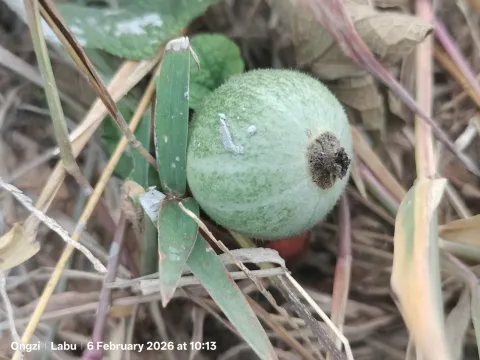
Trichosanthes scabra
Trichosanthes scabra
Trichosanthes scabra is a member of the Cucurbitaceae family, typically grown in warm climates. As a climbing vine, it requires significant space and vertical support for optimal development.
What the section contains
Trichosanthes scabra
Seed propagation is the primary method of cultivation. Seeds are sown in well-prepared trays in a controlled environment to ensure germination before the final frost passes.
A soil temperature of at least 20 degrees Celsius is necessary for successful germination. Seeds should be planted at a depth of approximately 2-3 centimeters in nutrient-rich substrate.
Transplanting into the open field is carried out once the risk of cold snaps is over. The young plants should be hardened off for several days to adapt to outdoor conditions.
Spacing is critical for this species; maintaining a distance of at least 70 centimeters between plants prevents competition for light and nutrients.
This crop thrives in full sunlight. High light intensity is crucial for the photosynthesis of the vine and the development of the fruits.
Soil requirements include excellent drainage and high organic matter content. Loamy soils with a neutral pH provide the best environment for root expansion.
Regular irrigation is vital throughout the growing season. Drip irrigation is highly recommended to provide consistent moisture without wetting the foliage, which reduces disease risk.
The use of trellising systems is standard practice for Trichosanthes. By training the vines upwards, air circulation is improved, and fruit quality is enhanced.
Nutrient management focuses on balanced NPK fertilizers. Phosphorus and potassium are increased during the flowering stage to support fruit set and development.
The yield of Trichosanthes scabra depends on the training method and the length of the growing season. Proper pruning of lateral shoots can significantly enhance productivity.
In optimal conditions, the plant produces a continuous supply of fruits throughout the summer and early autumn months. High yields are achieved through consistent water management.
Estimated yields can vary significantly based on environmental variables such as heat accumulation and the absence of pest pressure during the flowering phase.
Management of flower-to-fruit ratio through hand pollination may be necessary in greenhouse conditions where natural pollinators are absent or scarce.
The harvest index is focused on biomass production where both young fruits and green stems can contribute to the overall marketable output of the crop.
Fungal diseases, including powdery mildew and downy mildew, are the primary threats. These pathogens thrive in stagnant air and high-humidity environments.
Insect pests such as whiteflies and aphids are common. They not only cause direct damage but also serve as vectors for various mosaic viruses affecting cucurbits.
Root-knot nematodes can pose a significant challenge in sandy soils, leading to stunted plant growth and reduced fruit yield over time.
Integrated Pest Management (IPM) strategies, including the use of sticky traps and biological control agents, are effective in maintaining healthy crops.
Sanitation practices such as removing crop debris after the season are essential to prevent the overwintering of pathogens and insects on the field.
Harvesting is typically done while the fruits are young and tender. At this stage, the peel is thin and edible, making it ideal for culinary use.
Mechanical harvesting is generally not possible for this vine; manual harvesting is required to ensure that fruits are collected without damaging the brittle stems.
The harvesting interval should be strictly observed. Leaving fruits on the vine for too long leads to the development of a tough, fibrous skin and hardened seeds.
Post-harvest handling involves quick cooling to remove field heat, which significantly extends the shelf life of the produce for market distribution.
Properly handled fruits are sensitive to bruising and must be packed in breathable containers to avoid spoilage during transport to storage or market.