


Reference · Crops
Watermelon
Citrullus Schrad.
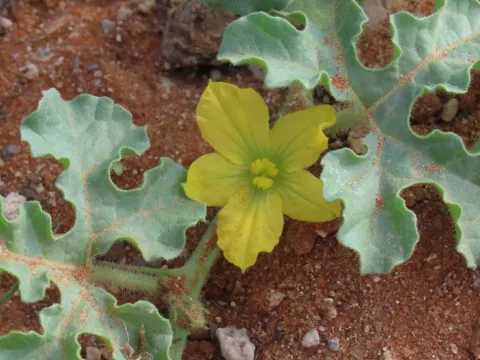
Watermelon is an annual herbaceous plant belonging to the Cucurbitaceae family, originating from the tropical regions of Africa. For successful germination, the soil must warm up to at least 14–16 degrees Celsius at a depth of 10 centimeters.
3
items
What the section contains
Marketplace
Products in this section · 12

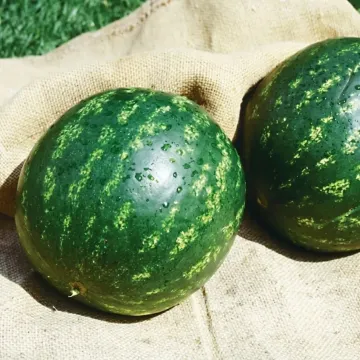

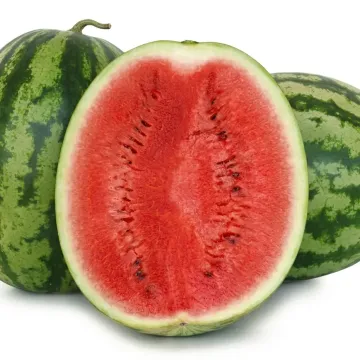
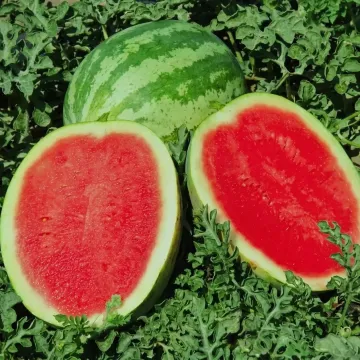

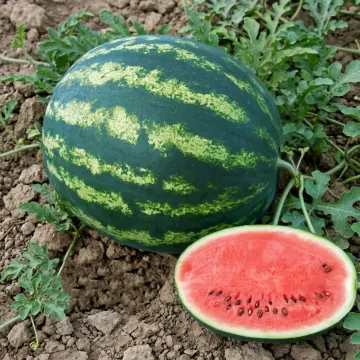
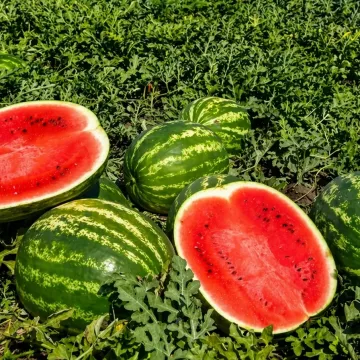
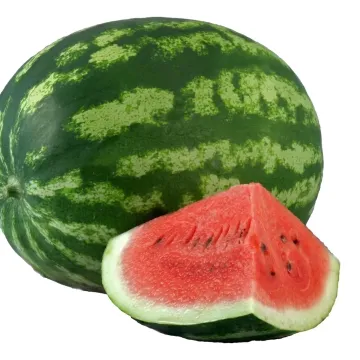
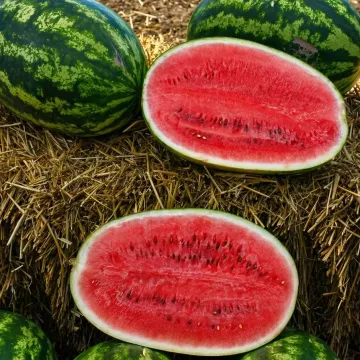
Watermelon
In warmer regions, direct seeding is common once the risk of night frost has passed, usually in late April or early May. For cooler climates, raising 25–30-day-old seedlings in pots is the optimal strategy for ensuring a successful harvest.
The planting distance depends on the variety and soil type, but typically ranges from 1.4 to 2.1 meters between rows with 0.5 to 1 meter between plants. This spacing provides each vine with sufficient root and canopy space.
Sowing requires sunny locations sheltered from strong winds, as the crop is extremely sensitive to shading. Excessive planting density should be avoided, as it reduces air circulation and increases the risk of fungal outbreaks.
It is important to manage sowing depth carefully: 5–6 centimeters in sandy soils and no more than 3–4 centimeters in heavier soil types. Proper timing allows the fruit to accumulate sugars before the autumn cooling sets in.
Watermelons have strict temperature requirements: the optimal growing temperature is 25–30 degrees Celsius. Development slows significantly if temperatures drop below 15 degrees, affecting overall plant health.
The ideal soil is light, sandy or sandy-loam, with a deep fertile profile and neutral pH. Heavy clay soils warm up slowly and are prone to waterlogging, which is detrimental to the plant's root system.
While watermelons are drought-tolerant due to their deep taproot, they require consistent moisture during the critical phases of flowering and fruit set to produce high-quality yields.
Intensive cultivation requires supplemental organic and mineral fertilizers, particularly nitrogen and phosphorus during early growth stages. Regular weeding between rows is necessary to minimize resource competition with weeds.
In greenhouses or under temporary plastic covers, maintaining proper humidity and preventing condensation is crucial. Good ventilation helps reduce the incidence of powdery mildew and other airborne pathogens.
Crop yields are highly dependent on solar radiation and water availability during key developmental stages. On average, a hectare of land can yield between 20 to 50 tons of marketable watermelons.
The use of drip irrigation can increase yields by 30–50 percent by providing precise water and nutrient delivery directly to the root zone, which is especially beneficial in arid growing regions.
Canopy management and pruning play a vital role; thinning out excess vines and limiting the number of fruits per plant helps ensure that each watermelon reaches a larger, marketable size. Typically, 3-4 fruits per plant are sufficient.
Variety selection dictates yield potential; modern F1 hybrids generally outperform traditional varieties in terms of volume and uniformity. Using high-quality certified seeds is essential for a consistent harvest.
Crop rotation is fundamental to yield stability. Watermelons should not be grown on the same field for at least 5–6 years to prevent the buildup of soil-borne pathogens and pests.
Fusarium wilt and anthracnose are the most common and devastating diseases, capable of destroying an entire field within weeks. Prevention focuses on strict crop rotation and high-quality seed treatment.
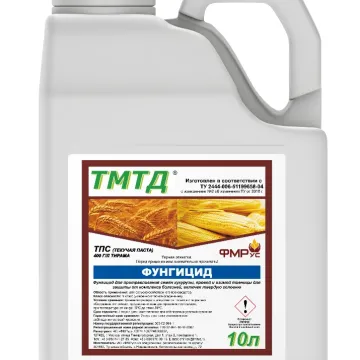
Powdery mildew frequently affects foliage in high humidity or fluctuating temperatures. Systemic fungicides, used according to label instructions, are effective in controlling these outbreaks if detected early.
Pests like melon aphids and spider mites cause significant damage by feeding on sap from young leaves. Regular scouting is essential to identify infestations before they reach economic threshold levels.
Wireworms and cutworms pose threats by damaging roots and stems near the soil line. Soil-applied insecticides are often used during field preparation to manage these subterranean pests effectively.
- Fusarium wilt
- Powdery mildew
- Anthracnose
- Melon aphids
- Spider mites
Determining maturity is a skill that requires practice. Key indicators include a dried-out tendril at the fruit stem, the loss of the rind's glossy shine, and a pale ground spot turning yellow where it touches the soil.
A mature fruit often produces a dull thud when tapped and may emit a faint cracking sound when squeezed. Harvesting is best performed in dry weather to optimize shelf life and durability during transportation.
When cutting the fruit from the vine, it is essential to leave 3–5 centimeters of the stem attached. This practice helps prevent rot and extends the storage potential of the fruit for market distribution.
Freshly harvested fruits should be shielded from direct sunlight to prevent overheating and loss of quality. Careful handling is required during transport to avoid mechanical injuries to the rind, which can lead to rapid decay.
Optimal storage conditions involve a cool, dry, and well-ventilated space with temperatures ranging from 5 to 10 degrees Celsius. These conditions allow watermelons to remain fresh for several weeks to months depending on the variety.