
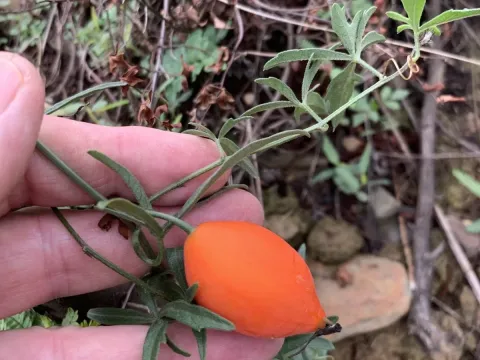
Trochomeria
Trochomeria
Trochomeria, as a perennial herbaceous plant, is primarily propagated through seeds. The sowing period is generally in the spring, once the danger of frost has passed and the soil has reached a stable temperature of 18–20 degrees Celsius, which is optimal for germination.
What the section contains

Trochomeria
Because the seeds possess a hard seed coat, scarification is highly recommended before planting to improve the germination rate and ensure uniform growth. Seeds should be sown at a depth of 2–3 centimeters in well-draining soil to prevent rot and promote root development.
For greenhouse or container cultivation, seeding can occur throughout the year provided that supplemental light and heat are available. Constant moisture levels should be maintained initially, but it is critical to avoid waterlogging the soil during the early stages of growth.
Transplanting seedlings to their permanent location should be done carefully to minimize root disturbance. The spacing between plants should be approximately 50–70 centimeters to accommodate the plant's natural trailing or climbing habit and ensure sufficient airflow.
Proper seedling establishment is crucial for the future productivity of the plant. A well-prepared seedbed with organic amendments helps in creating a favorable environment for the initial growth stages, setting the foundation for a successful crop season.
Belonging to the Cucurbitaceae family, Trochomeria is well-adapted to African environments, thriving in sunny, well-lit locations. Exposure to direct sunlight is essential for the plant's metabolic processes and the development of its tuberous root systems.
The ideal soil for Trochomeria is a sandy or sandy-loam type with good drainage. Heavy, water-retentive clay soils should be avoided or modified with drainage materials to prevent root diseases caused by excessive soil moisture and poor oxygen circulation.
The plant is highly sensitive to cold temperatures. It performs best in a climate where temperatures range between 22 and 28 degrees Celsius. Any significant drop in temperature or frost can cause severe damage to the foliage and affect the plant's overall development.
As a climbing vine, Trochomeria requires structural support, such as trellises or stakes. Providing vertical space not only helps in space management but also improves photosynthesis by allowing leaves to maximize their exposure to light and improves air circulation.
Watering requirements are moderate. While the plant has some drought tolerance due to its tuberous roots, regular watering during dry spells is recommended to ensure strong vegetation growth and consistent tuber yield during the harvesting season.
The primary economic value of Trochomeria lies in its tuberous roots, which have been historically utilized for their medicinal properties. Harvesting usually takes place after the growing season when the foliage dies back, signaling that nutrients are stored in the roots.
Maximum yield potential is typically achieved when plants are harvested at 2–3 years of age. This maturity ensures that the concentration of secondary metabolites within the tubers is sufficient for commercial and medicinal applications.
Overall yield is heavily influenced by soil fertility and agricultural management practices. Using organic mulch and compost can significantly enhance the development of the root system, leading to a larger biomass production per hectare.
During the harvest, care must be taken to prevent physical injury to the tubers. Mechanically damaged roots are more susceptible to rot and post-harvest decay, which can significantly decrease the market quality and shelf life of the harvested product.
Standard processing includes cleaning, sorting, and drying the tubers immediately after harvest. Efficient management of these stages is critical to preserving the biochemical efficacy of the crop, as improper handling can lead to degradation of active components.
Fungal diseases are the most common threat to Trochomeria, particularly in conditions with high humidity and poor ventilation. Powdery mildew, which appears as a white coating on the leaves, and root rot are significant concerns that require monitoring.
Common pests associated with the Cucurbitaceae family, such as aphids and spider mites, can also affect Trochomeria. These pests feed on the plant's sap, weakening it and potentially acting as vectors for other viral or bacterial plant diseases.
Integrated pest management, including the use of biological control agents and regular inspections, is recommended. Keeping the plants healthy through proper fertilization and spacing is the first line of defense against pest and disease infestations.
Soil-borne pests can also damage the tubers while they are developing underground. Implementing a proper crop rotation strategy, specifically avoiding other Cucurbitaceae crops in the same area, helps reduce the buildup of soil-borne pathogens and pests.
Environmental control is essential in greenhouse cultivation. Maintaining a balanced humidity level and ensuring good airflow prevents the development of gray mold (Botrytis), which can quickly destroy the plant population if left unchecked in closed environments.
Harvesting should be performed during dry weather, after the foliage has fully withered and entered its dormancy phase. This ensures that the moisture content of the tubers is at an optimal level, reducing the risk of rot during the subsequent storage process.
After excavation, the tubers should be cleaned of soil and debris. Sorting is a necessary step, separating healthy, uniform tubers from those that are undersized or damaged, as damaged tubers must be processed quickly to prevent them from rotting.
Drying is a critical post-harvest step. It should be conducted in a well-ventilated area, away from direct sunlight, or using climate-controlled drying equipment at temperatures not exceeding 50 degrees Celsius to avoid damaging the active chemical compounds.
Storage requires a cool, dry, and dark environment to maintain quality. Using breathable packaging, such as woven or paper bags, helps prevent condensation build-up and minimizes the chances of mold growth during the storage period.
Periodic inspection of the stored product is necessary to ensure long-term stability. By monitoring for signs of moisture, mold, or insect activity, farmers can take timely interventions to protect the investment and ensure the high quality of the raw material.