
Trochomeriopsis
Trochomeriopsis
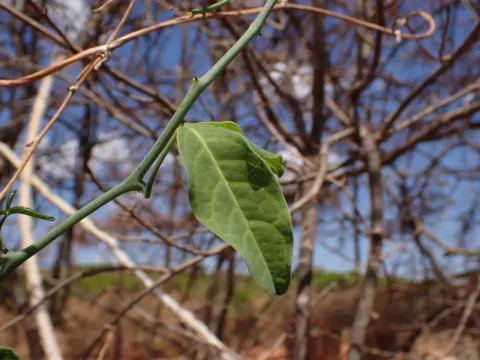
Trochomeriopsis is a genus of flowering plants belonging to the Cucurbitaceae family, known primarily as an endemic species native to Madagascar.
What the section contains

Trochomeriopsis
This crop thrives in tropical environmental conditions, requiring high atmospheric humidity and consistently warm temperatures to support active growth.
For successful cultivation, the soil must be light, porous, and well-draining, mimicking the nutrient-rich forest floors of its native habitat.
Adequate sunlight is essential for the development of the plant, though it prefers bright, filtered light rather than harsh, direct sun exposure.
Standard agricultural practices for this crop focus on precise irrigation, as excessive moisture leads to root rot and other physiological disorders common in the gourd family.
Commercial yield potential for Trochomeriopsis remains largely unexplored, as the plant is currently grown primarily for botanical and experimental purposes.
The fruit of the plant holds potential interest for both food and cosmetic industries due to its unique chemical profile and nutrient content.
Vegetative growth is robust under optimized greenhouse conditions, suggesting that the crop can be managed effectively with controlled fertilization programs.
Research into the plant's genetics offers a way to utilize its traits to improve the resilience of other commercial Cucurbitaceae varieties against environmental stress.
Future production yields will rely on the development of standardized propagation techniques and the optimization of fruit harvest cycles.
The primary threats to Trochomeriopsis are fungal pathogens, specifically powdery mildew and anthracnose, which flourish in high-humidity cultivation environments.
Pests common to the cucurbit family, such as aphids and spider mites, can significantly impair plant health by damaging the foliage and stems.
Root system vulnerability to waterlogged conditions often results in lethal rot infections, requiring constant monitoring of moisture levels.
Integrated pest management strategies, including the use of biological control agents and fungicides, are recommended to protect the crop throughout its life cycle.
Maintaining a clean growing environment and ensuring proper air circulation are vital practices to minimize the risk of spreading widespread diseases.