
Trichosanthes tricuspidata
Trichosanthes tricuspidata
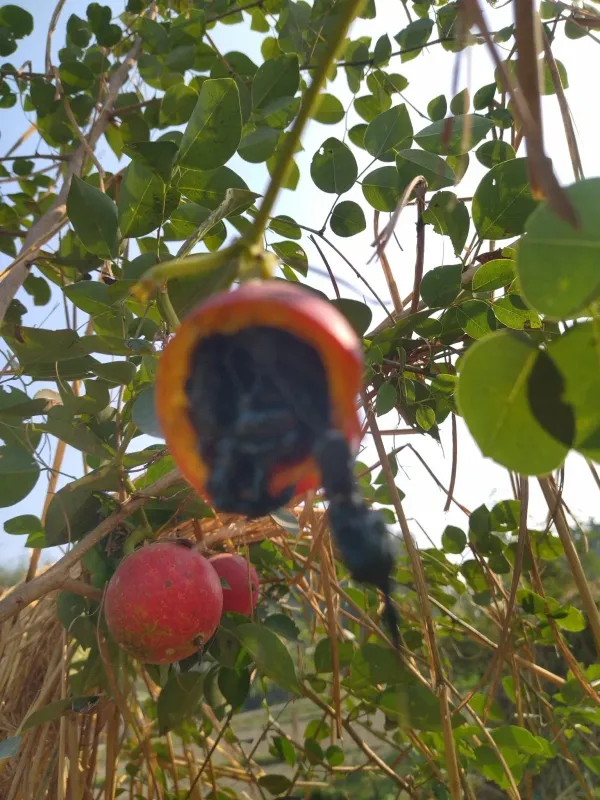
Description
Sowing dates
Trichosanthes tricuspidata is a robust perennial climber belonging to the Cucurbitaceae family. In tropical climates, seeds are typically sown at the beginning of the rainy season when soil temperatures are high.
For cultivation in cooler regions, starting seeds indoors is necessary. Sowing should occur about 4 to 6 weeks before the projected last frost date to ensure the seedlings are ready for immediate growth upon transplanting.
The seeds possess a hard coat and often benefit from scarification or soaking in warm water for 24 hours to improve germination rates significantly.
Use individual deep pots or biodegradable containers to minimize root disturbance, as this species is notoriously sensitive to transplant shock during the initial establishment phase.
Spacing is critical due to the plant's vigorous climbing nature. A minimum of 1.5 to 2 meters between plants is recommended to allow for adequate foliage expansion and to prevent overcrowding.
Growing requirements
This species requires full sun exposure to flourish. While it can tolerate partial shade, maximum sunlight is essential for the development of healthy vines and abundant fruit set.
Well-draining, nutrient-rich soil is a prerequisite for success. The addition of well-composted organic matter improves soil structure and water-holding capacity, both of which are vital for this species.
Consistent moisture is required throughout the growing season. The soil should remain damp but never waterlogged, as stagnant water is a primary cause of root rot in cucurbits.
Strong vertical support structures are mandatory. Trellises, wire fences, or pergolas must be sturdy enough to support the weight of the thick vines and the maturing heavy fruits as they develop.
Optimal growth occurs between 20 and 30 degrees Celsius. The plant is sensitive to cold temperatures and will suffer tissue damage or complete dieback if exposed to light frosts.
Main diseases and pests
Spider mites are common pests that thrive in dry, warm environments. They pierce leaf tissues, leading to chlorosis, stunted growth, and a significant reduction in the overall plant vigor.
Powdery mildew is a prevalent fungal disease characterized by white, powdery spots on leaves. It spreads rapidly in humid, stagnant air conditions, making proper spacing and ventilation crucial.
Root rot, typically caused by various soil-borne pathogens, poses a major threat in soils with poor drainage. Once established, it is difficult to control, emphasizing the need for prevention.
Aphids often target new shoots and flower buds. Infestations can cause leaf curling and deformation of the fruits, impacting both the aesthetic quality and the total yield of the plant.
Integrated pest management strategies are recommended, utilizing beneficial insects and organic sprays, particularly since many parts of the plant are used in traditional medicine or cooking.
Harvesting
The harvest period is determined by the intended use of the fruit. For culinary purposes, harvesting at the tender, immature stage is preferred as the texture remains more palatable.
When harvesting, use sharp, sterilized shears to cut the stem, leaving a small portion attached to the fruit. This practice helps to preserve the fruit's integrity and prolongs shelf life.
Fruits should be handled with care to avoid bruising, as any damage can serve as an entry point for spoilage organisms. Storage should occur in a cool, dark, and well-ventilated area.
If seeds are intended for future planting, allow the fruits to reach full physiological maturity on the vine. Once collected, clean the seeds thoroughly and ensure they are dried completely before storage.
By the end of the growth cycle, remove all dead vines and plant debris from the support structure to prevent the accumulation of pathogens that could affect the next planting season.