
Guinea gourd
Lagenaria guineensis
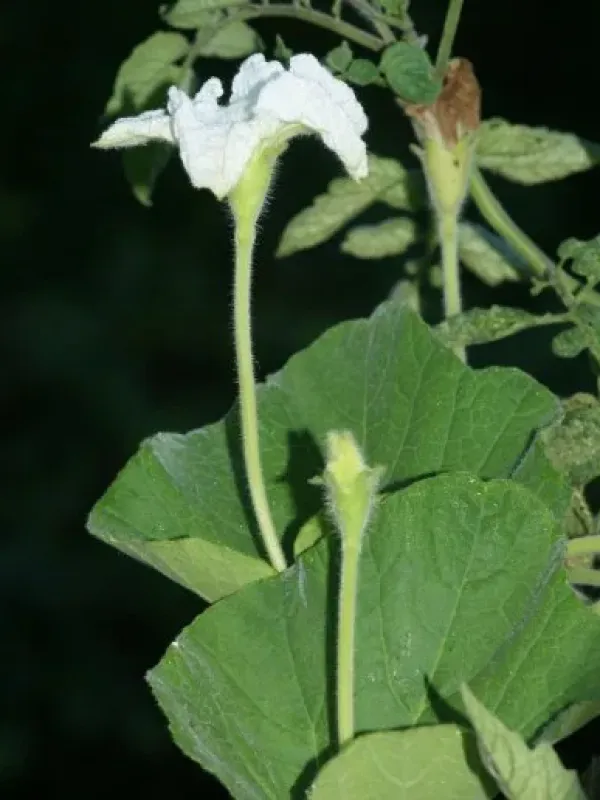
Description
Sowing dates
Guinea gourd is a vigorous annual climbing plant belonging to the Cucurbitaceae family. Due to its long growing season, it is primarily cultivated using the seedling method in regions with temperate climates.
Seeds are started indoors approximately 4 to 5 weeks before the last expected frost. The germination process requires stable warmth, with an ideal temperature range between 25°C and 28°C to ensure successful sprouting.
Transplanting into the garden should only occur once the soil has sufficiently warmed and the danger of frost has passed. Planting during cold weather often leads to significant developmental stunting or plant death.
Spacing is a critical factor for success; each plant requires a substantial area to sprawl or climb. A minimum of 1.5 to 2 square meters per plant is recommended to ensure adequate foliage development and fruit set.
Hardening off the seedlings is an essential step before final transplanting. Gradually exposing young plants to outdoor conditions over a week reduces transplant shock and builds resistance to environmental stressors.
Growing requirements
This crop demands full sun exposure to thrive. Sufficient light is necessary for vigorous vine growth and is particularly essential for the development of flowers and fruit maturity in the latter half of the season.
Soil quality should be high, with a preference for well-drained, humus-rich loams or sandy soils. The plant performs best in a pH range of 6.0 to 7.0, and soil amendments like compost should be incorporated prior to planting.
Consistent moisture is required for optimal growth. While the plant can tolerate short periods of dryness once established, regular irrigation is vital during the fruit enlargement phase to prevent malformed fruit.
Trellising or providing sturdy supports is highly recommended. Lifting the vines off the ground improves airflow, reduces the incidence of soil-borne diseases, and ensures that the fruits maintain an attractive shape.
Nitrogen-rich fertilizers can be used in the early stages to encourage vine production, while potassium-based fertilizers should be introduced as the plant begins its flowering cycle to support fruit development.
Main diseases and pests
Common pests include aphids, spider mites, and whiteflies, which frequently attack the foliage, especially in hot, dry conditions. These insects extract sap and can significantly reduce the photosynthetic capacity of the plant.
Powdery mildew is a prevalent fungal disease that appears as a dusty white coating on leaves. It is often triggered by high humidity and poor air circulation around the plant, requiring prompt fungicidal intervention.
Root rot, often caused by overwatering or poorly drained soil, can destroy the plant's health. Maintaining proper irrigation schedules and ensuring the planting site is well-drained is the best preventive strategy.
Bacterial wilt, transmitted by insects, is another potential threat. Managing pest populations is the most effective way to prevent the spread of this disease, which leads to rapid wilting and eventual plant death.
Implementing strict crop rotation protocols is essential. Avoiding the planting of Lagenaria species in the same soil for three or more years helps break the cycle of pathogens and soil-dwelling pests.
Harvesting
Harvesting depends on the intended end-use of the fruit. Young, tender fruits are harvested for culinary purposes shortly after flowering, when the skin is still delicate enough to be easily pierced.
If the goal is to produce mature gourds for seeds or decorative utility, they must be left on the vine until the peduncle has completely dried and the shell has hardened significantly.
A sharp pruning tool is recommended for harvest to ensure a clean cut. Leaving a portion of the stem attached to the fruit helps prevent the entry of rot-inducing pathogens into the fruit tissue.
After picking, fruits intended for long-term storage or processing should be cured in a dry, well-ventilated location. This process allows excess moisture to evaporate and strengthens the outer shell of the gourd.
Properly cured and stored, these gourds are remarkably durable. Keeping them in a cool, dry place away from direct sunlight will ensure that they remain in good condition for many months after harvest.