
Gerrardanthus macrorhizus
Gerrardanthus macrorhizus
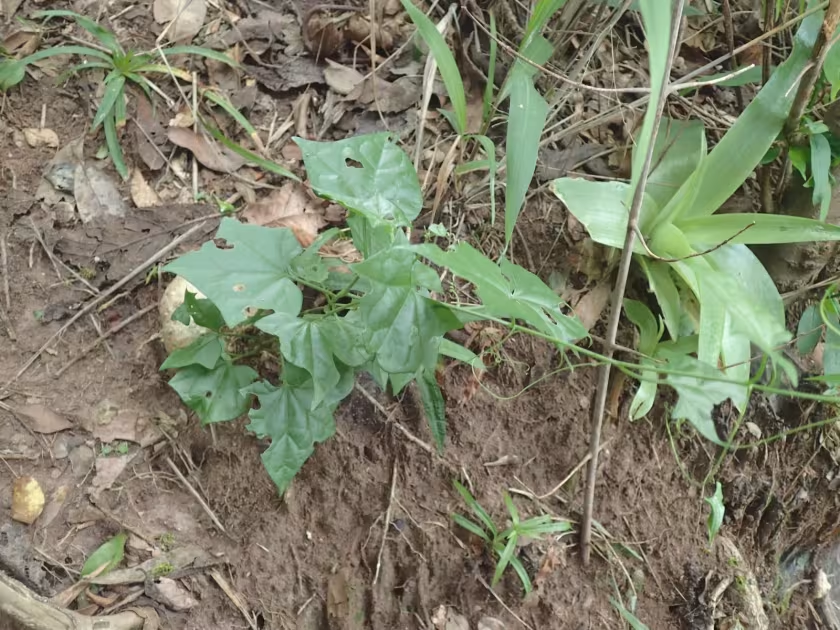
Description
Sowing dates
Propagation of Gerrardanthus macrorhizus is primarily performed using seeds. The optimal time for sowing is during the spring when temperatures remain above 22°C consistently.
Seeds should be soaked in warm water for several hours before planting to enhance germination rates. A light, well-draining substrate rich in mineral components is essential.
The pots should be placed in a bright area, protecting them from direct sunlight until the seeds have sprouted. Maintaining moderate humidity is key during the germination phase.
Once the seedlings have developed a few sets of true leaves, they should be carefully transplanted into individual containers. The caudex starts to develop quite early, so handle with care.
Subsequent repotting should only occur when the root system has filled the container. This typically happens once every few years as the plant has a relatively slow growth rate.
Growing requirements
Gerrardanthus macrorhizus is a member of the Cucurbitaceae family, originating from East Africa. It is widely prized for its large, woody caudex that stores water for survival.
The plant requires high levels of bright, indirect light to maintain its compact and healthy growth. Direct afternoon sun can scorch the stems and leaves, so filtered light is preferable.
Temperature management is crucial: during the active growing season, keep the plant in a warm environment. During the winter dormancy phase, temperatures should drop to approximately 15°C.
Watering practices are the most critical aspect of care. The substrate must dry out completely between waterings, especially during the dormant winter period when moisture should be minimal.
Use a highly porous, gritty soil mix. Good drainage is non-negotiable for this species, as it is highly susceptible to root and caudex rot if left in standing water.
Main diseases and pests
The primary threat to this crop is rot, which is caused by overwatering or poor drainage. Always ensure the soil is dry before adding more water to prevent soft spots on the caudex.
Spider mites are common pests that thrive in dry indoor environments. Frequent misting or the use of systemic insecticides can help manage these pests effectively.
Mealybugs can also infest the plant, hiding in leaf axils. Physical removal or targeted pesticide treatment is recommended to prevent spreading to other parts of the plant.
Poor ventilation and high humidity can lead to fungal infections. Ensuring proper airflow around the caudex and foliage will significantly reduce the risk of mold and pathogens.
If rot is detected, it is vital to surgically remove the infected tissue and ensure the wound dries out completely. Proper sanitation of tools is essential to prevent further infection.