
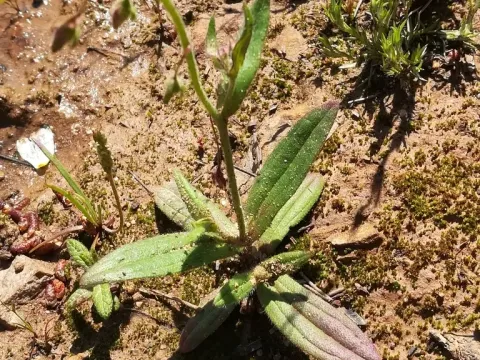
Tuberaria
Tuberaria
Tuberaria is a genus of herbaceous plants and subshrubs belonging to the Cistaceae family. Known for their resilience, these plants have evolved to thrive in harsh, sun-drenched environments, which makes them specialized subjects in xeriscaping and sustainable gardening.
What the section contains
 Spotted rockrose
Tuberaria guttata
Spotted rockrose
Tuberaria guttata
 Tuberaria bupleurifolia
Tuberaria bupleurifolia
Tuberaria bupleurifolia
 Tuberaria commutata
Tuberaria commutata
Tuberaria commutata
 Tuberaria echioides
Tuberaria echioides
Tuberaria echioides
 Tuberaria globulariifolia
Tuberaria globulariifolia
Tuberaria globulariifolia
 Tuberaria inconspicua
Tuberaria inconspicua
Tuberaria inconspicua
 Tuberaria lignosa
Tuberaria macrosepala
Tuberaria macrosepala
Tuberaria lignosa
Tuberaria lignosa
Tuberaria macrosepala
Tuberaria macrosepala
 Tuberaria major
Tuberaria major
Tuberaria major
 Tuberaria praecox
Tuberaria praecox
Tuberaria praecox
Tuberaria
Native to the Mediterranean region, Tuberaria naturally occurs in dry, sandy, or rocky habitats. Their biological structure is finely tuned to withstand periods of intense summer drought, often utilizing shallow root systems that maximize moisture uptake from light rainfall before the soil dries out completely.
Successful cultivation requires soil conditions that mimic their natural environment. The primary requirement is exceptional drainage; in agricultural or garden settings, heavy soils must be amended with grit, coarse sand, or gravel to prevent water saturation, which is the most frequent cause of root decay in this genus.
Climatically, Tuberaria favors regions with mild, dry winters and hot, sunny summers. They are not suited to environments with high humidity or prolonged dampness, as excessive atmospheric moisture during the vegetative phase can hinder their growth and promote fungal activity.
The main horticultural use of Tuberaria is in rock gardens, coastal landscapes, and areas designated for low-maintenance planting. Because they tolerate nutrient-poor soils remarkably well, they are considered valuable for stabilizing slopes and providing ground cover where more demanding ornamental species would fail to thrive.