
Tuberaria bupleurifolia
Tuberaria bupleurifolia
Description
Growing requirements
Tuberaria bupleurifolia belongs to the Cistaceae family. This perennial herbaceous plant is naturally adapted to the specific conditions of the Mediterranean region and the Iberian Peninsula.
This crop prefers sunny, open areas with light, well-drained soils. It shows high tolerance to drought periods, which is determined by its origin in zones with a pronounced summer precipitation deficit.
The soil composition for Tuberaria should be poor or moderately nutritious with a neutral or slightly acidic pH. The plant does not tolerate stagnant moisture in the root zone, so effective drainage is a prerequisite for successful vegetation.
Climate requirements include mild winters and warm summers. Under intensive agricultural conditions, the crop requires protection from hard frosts, as its aerial parts do not possess high cold resistance.
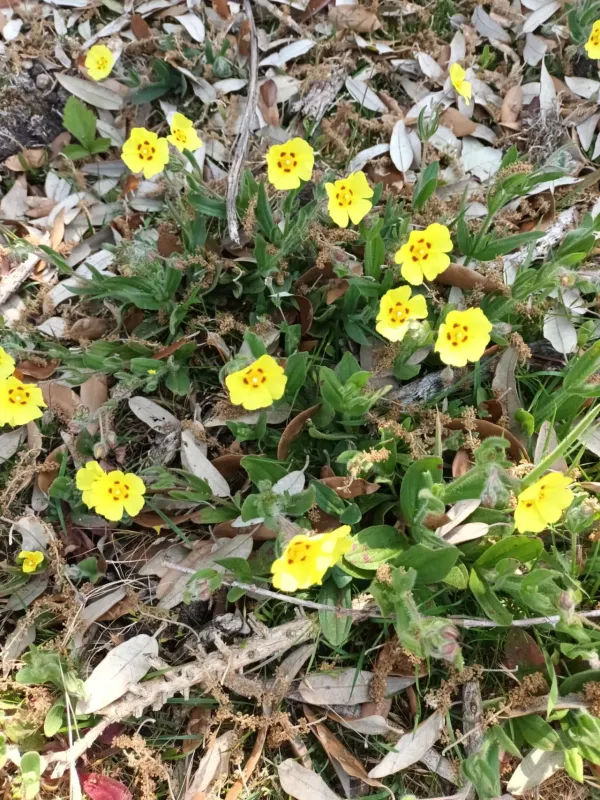
Biological features of the species include the presence of pubescent leaves that help the plant retain moisture, and bright yellow flowers with a characteristic spot at the base of the petals, typical for many representatives of the Cistaceae family.
Main diseases and pests
The main threats to the development of this crop are fungal infections caused by waterlogged soil and high ambient humidity levels.
Root rots are frequently encountered, so agronomic measures must be focused on maintaining an optimal soil aeration regime.
Among insect pests, aphids and certain types of leaf-eating caterpillars can pose a threat, damaging young shoots and flower buds.
To prevent the spread of diseases, it is important to maintain proper spacing during planting, ensuring good air circulation between plants.
Chemical protection requires caution: due to the structural features of the pubescent leaves, plants can be sensitive to contact fungicides.