
Tuberaria major
Tuberaria major
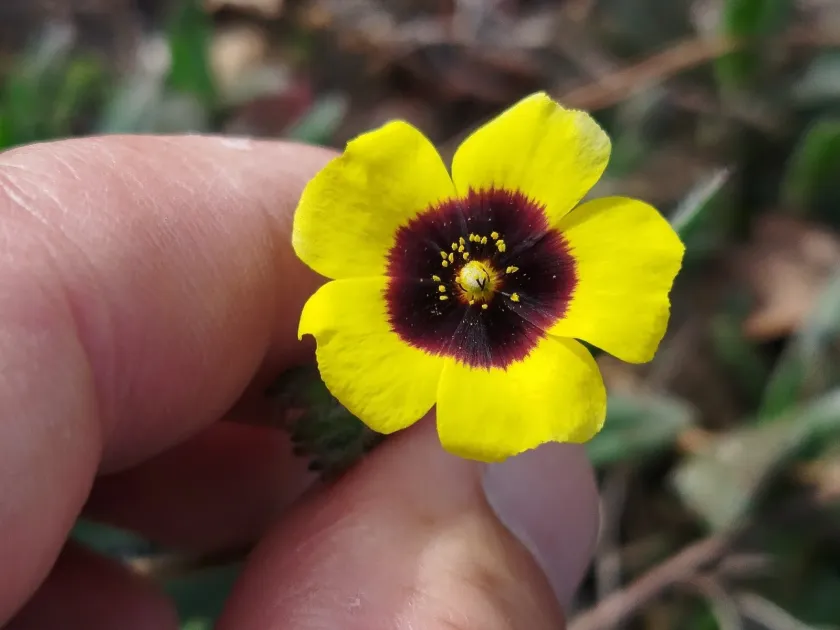
Description
Growing requirements
Tuberaria major is a perennial herbaceous plant belonging to the Cistaceae family. Native to the Iberian Peninsula, it thrives in sandy, well-drained habitats, often found in areas with high sun exposure and low nutrient content in the soil.
The plant exhibits specific requirements for light and soil structure. It must be cultivated in full sun to ensure healthy foliage development and prolific flowering. Proper drainage is the single most important factor, as the species is highly sensitive to root asphyxiation caused by waterlogging.
Botanically, Tuberaria major is recognized by its low-growing, rosette-forming habit and bright yellow flowers that typically bloom in late spring. It is a highly specialized plant adapted to harsh, arid conditions typical of the Mediterranean landscape.
In terms of climatic adaptation, this species prefers mild winter temperatures. It is not frost-hardy in colder northern latitudes, making it suitable mainly for Mediterranean or mild temperate microclimates unless protected in pots or greenhouses.
Agricultural use of Tuberaria major is largely ornamental. It is valued by xeriscaping enthusiasts for its extreme drought tolerance and its ability to thrive in poor soils where more demanding garden plants would fail.
Main diseases and pests
Root rot is the primary threat to Tuberaria major, often triggered by excessive soil moisture or improper watering schedules. Ensuring a gritty, fast-draining substrate is essential to mitigate this risk.
Fungal pathogens such as mildew can occur if the plants are kept in stagnant, humid air environments. Good air circulation is crucial to maintaining the health of the plant throughout the growing season.
Insect pests, including spider mites, can become an issue, particularly when the plant is under water stress or grown in poorly ventilated indoor conditions, leading to weakened immune responses.
Phytophthora species represent a significant threat to the root system if the planting site remains saturated for long periods. Once systemic infection occurs, the plant is difficult to recover.
Effective management of these threats involves a proactive approach to soil health and strictly maintaining a dry-between-watering cycle to simulate the natural conditions of the plant's native habitat.