
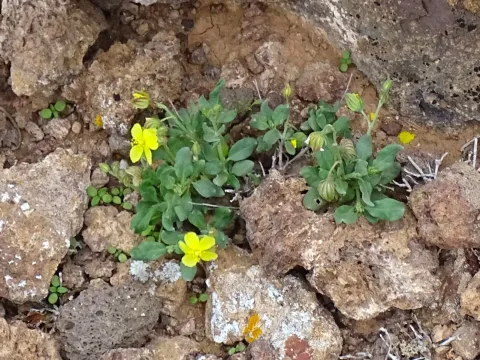
Sunrose
Helianthemum Mill.
Sunrose seeds should be sown in early spring, preferably in March or April, using a well-draining seed-starting mix to ensure successful germination.
What the section contains

Sunrose
Surface sowing is critical as the seeds require light to germinate, so they should be only lightly pressed into the soil surface rather than buried deep.
For outdoor sowing, it is best to wait until the risk of frost has passed in late May, ensuring the soil temperature is sufficiently warm for growth.
Seedlings should be hardened off before transplanting into the garden, maintaining a spacing of at least 30 to 40 centimeters to promote healthy airflow.
Vegetative propagation via softwood cuttings taken in late summer is a reliable method for maintaining the desired characteristics of specific cultivars.
The sunrose, belonging to the Cistaceae family, is a drought-tolerant perennial shrub that thrives in full sun and well-drained, nutrient-poor soil.
Ideal soil conditions include sandy, rocky, or chalky substrates, as heavy clay soils will cause root rot if the moisture levels are not managed correctly.
The plant is highly resilient in Mediterranean climates and requires minimal supplemental irrigation once the root system has become fully established.
Fertilization should be kept to a minimum; a light application of compost in early spring is generally sufficient to support the bloom cycle without excessive growth.
Regular pruning after the first flush of flowers is essential to keep the plant compact and encourage a second bloom later in the season.
Excessive moisture is the primary threat to the sunrose, as it frequently leads to root rot and fungal infections, especially in cool or humid climates.
Powdery mildew is a common foliage disease, which appears as a white dust on the leaves and can be mitigated by ensuring proper plant spacing.
While aphids can occasionally colonize the flower buds, they are typically manageable through organic sprays or manual removal during the early stages.
Adequate drainage and avoiding overhead irrigation are the most effective preventive measures against the majority of fungal pathogens affecting this plant.
Proper site selection is paramount, as plants grown in shade or poorly drained areas are significantly more susceptible to both pests and diseases.