
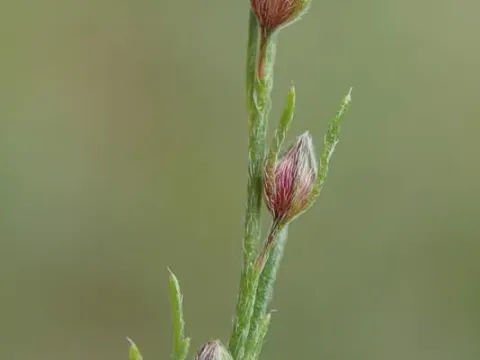
Lechea
Lechea
Lechea is a genus of perennial herbaceous plants and small shrubs belonging to the family Cistaceae. Commonly known as pinweeds, these plants are native primarily to North and South America, thriving in diverse open habitats.
What the section contains
Lechea
Botanically, Lechea plants are characterized by their small, often lanceolate or linear leaves and tiny, inconspicuous flowers. The stems are frequently covered with fine hairs, an adaptation that helps the plant regulate transpiration and endure hot, dry environmental conditions.
Regarding soil requirements, Lechea favors acidic, sandy, or rocky soils with excellent drainage. They are well-adapted to nutrient-poor environments, where their deep root systems allow them to access water and stabilize loose soil effectively against erosion.
From an agricultural standpoint, Lechea is not a traditional food crop. Instead, it is valued in land reclamation projects, ecological restoration, and as a ground cover plant for stabilizing sandy landscapes where conventional vegetation fails to establish.
Cultivation requires minimal intervention. Key to success is selecting a sunny location and ensuring the substrate is porous. Given its slow growth rate in the initial stages, site preparation and weed management are essential for the survival of young plants.
The primary threat to Lechea is waterlogging. Because these plants are adapted to arid or well-drained habitats, excessive moisture in the root zone quickly leads to root rot and fungal infections, which are often fatal to the plant.
Pests such as soil nematodes can pose a challenge by feeding on the root system, which impacts the plant's overall vigor. Occasional defoliation by specific insect species may occur, but these are rarely considered serious outbreaks in natural settings.
Management of these threats focuses on preventive measures. Proper site selection is the most effective way to avoid disease. In ecological restoration efforts, ensuring the plants are not overcrowded helps maintain optimal airflow, preventing fungal buildup.
Chemical control is rarely utilized, as Lechea is usually managed as a component of wild or semi-wild ecosystems. Relying on biological diversity and natural site conditions is the standard approach for its maintenance.
Periodic monitoring for signs of wilt or discoloration is recommended to detect any issues early. Maintaining soil pH levels consistent with the plant’s natural habitat preferences also contributes to higher overall health and disease resistance.