
Tuberaria echioides
Tuberaria echioides
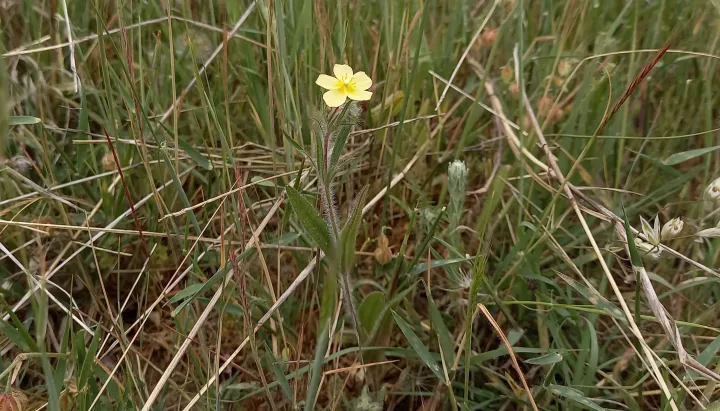
Description
Growing requirements
Tuberaria echioides is an herbaceous annual plant belonging to the Cistaceae family. It is native to Mediterranean regions, where it has adapted to harsh environmental conditions, specifically thriving in sandy, nutrient-poor, and stony soils that many traditional crops would find unsuitable.
This species is a typical xerophyte, characterized by specialized physiological traits to withstand prolonged droughts. Its leaves are often pubescent, which helps in reflecting sunlight and minimizing moisture loss through evaporation, an essential survival mechanism in its natural range.
Regarding soil requirements, Tuberaria echioides demands excellent drainage. Soil aeration is critical, as the roots are highly susceptible to rot when exposed to waterlogging. It generally prefers neutral to slightly acidic substrates that facilitate rapid drainage after rain events.
The plant thrives in regions with intense solar radiation. Climate-wise, it prefers mild, rainy winters and hot, dry summers. It does not possess high cold tolerance and is mostly restricted to habitats where temperatures remain conducive to growth during the vegetative stage.
Its agricultural potential is currently niche, often valued in landscape architecture for drought-tolerant gardens and site reclamation projects. Because it helps prevent soil erosion, it acts as a stabilizing agent in degraded coastal or arid habitats where few other plants can establish.
Main diseases and pests
The primary threats to Tuberaria echioides are fungal pathogens associated with excessive moisture. Root rot and damping-off disease are common if the soil remains wet for extended periods, making water management the most critical aspect of the plant's health.
Pest pressures include sap-sucking insects like aphids, which can proliferate during favorable conditions. These pests target the younger, tender parts of the plant, potentially stunting growth and reducing the overall reproductive capacity of the annual cycle.
Spider mites are another significant threat, particularly in hot and dry microclimates. Their presence often leads to leaf chlorosis and premature senescence, significantly reducing the vigor of the plant during the critical flowering period.
Competition from weeds is a significant concern for early-stage development. Since Tuberaria echioides does not possess rapid initial vegetative growth, it can easily be outcompeted by more aggressive invasive weeds, necessitating manual weeding or strategic site preparation.
Effective management requires a proactive approach to cultivation. By ensuring adequate spacing, optimizing soil drainage, and maintaining consistent monitoring, growers can mitigate most disease and pest risks associated with this delicate Mediterranean species.