
Tuberaria lignosa
Tuberaria lignosa
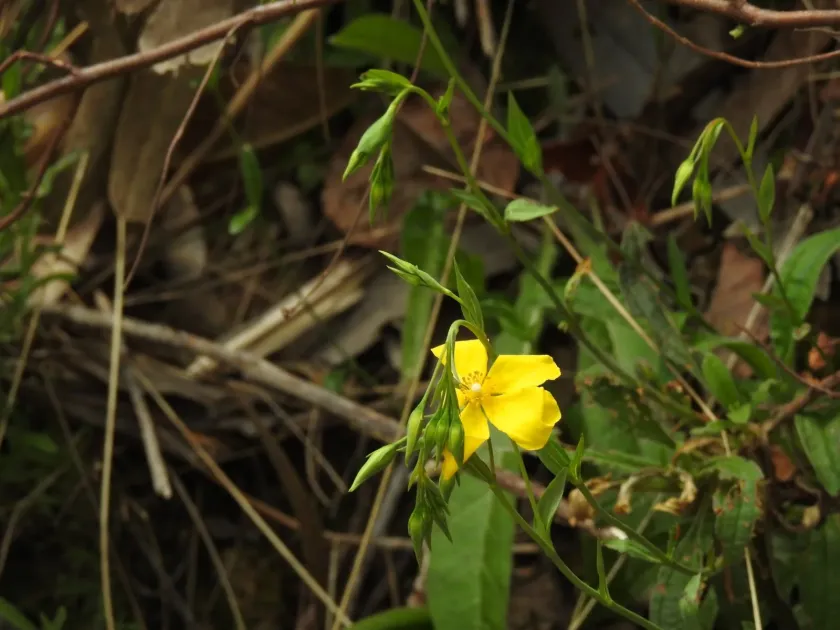
Description
Sowing dates
Tuberaria lignosa is a typical representative of the Mediterranean flora that reproduces primarily through seeds in its natural habitat.
Sowing of the seeds for agronomic purposes is conducted in prepared substrates at the end of winter or early spring, ensuring a stratification period to improve germination rates.
The seeds of the plant show high viability, but they require a specific level of light exposure for successful germination, so they should not be buried deep in the soil.
The optimal temperature for seedling emergence ranges from 15 to 20 degrees Celsius, which aligns with the start of the spring season in its native regions.
When cultivating in specialized nurseries, it is essential to ensure adequate drainage in pots to prevent waterlogging, which can damage the delicate roots of young seedlings during germination.
Growing requirements
The crop belongs to the Cistaceae family and exhibits high adaptability to poor, rocky, and sandy soils typical of dry, sunny slopes.
The plant is a light-loving xerophyte, thus requiring direct sunlight and high light intensity throughout the day for full development.
Tuberaria prefers neutral or slightly acidic soils with excellent permeability, where moisture stagnation is excluded, as excessive irrigation leads to root rot.
The temperature regime should be moderately warm, while the plant can withstand short drought periods due to the specific structure of its root system.
In regions with colder climates, cultivation requires protection from soil freezing, as the plant does not possess high frost resistance and thrives in mild winter conditions.
Main diseases and pests
The main threats to Tuberaria lignosa are fungal diseases that develop against the backdrop of high humidity and soil waterlogging.
Root rot is the most dangerous infection, which often leads to the death of the entire plant if correct irrigation practices are not strictly followed.
Among pests, sucking insects such as aphids and spider mites are most commonly encountered, potentially attacking the plant when moisture balance is disturbed.
It is necessary to conduct regular inspections of the aerial parts of the plant to detect signs of powdery mildew caused by poor air circulation in dense plantations.
Disease prevention consists of maintaining optimal spacing between plants and ensuring efficient ventilation within the cultivation areas.