
Spotted rockrose
Tuberaria guttata
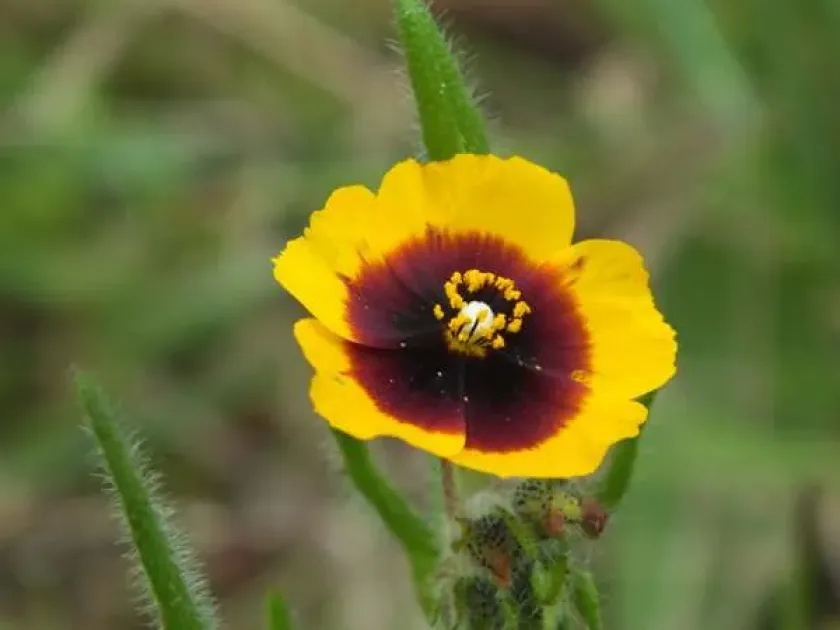
Description
Sowing dates
Tuberaria guttata is an annual herbaceous plant belonging to the Cistaceae family. Its life cycle is adapted to the harsh Mediterranean environment, with germination typically occurring in the spring.
Seeds should be sown in a well-drained, sandy substrate. It is crucial to barely cover the seeds with soil, as light is a necessary trigger for their germination process.
Sowing in containers allows for better control over temperature and humidity during the fragile seedling stage. Once the plants reach a certain size, they can be transplanted to their permanent location.
Early spring planting is recommended for direct outdoor sowing, provided that the soil is sufficiently warmed and free from the threat of heavy waterlogging.
The spacing between individual plants should allow for adequate airflow, which is essential to prevent moisture buildup around the base of the stems, a common cause of failure in young plants.
Growing requirements
This species thrives in sunny, open locations with minimal shade. It is particularly well-suited for rock gardens and areas with poor, sandy, or rocky soil compositions.
Acidic soil conditions are preferred, mimicking the plant's natural habitat. It is highly intolerant of waterlogged, heavy clay soils, which promote root rot and rapid decline.
Drought tolerance is a hallmark of Tuberaria guttata. Once established, the plant requires very little supplemental irrigation, making it an excellent choice for low-maintenance landscapes.
The ideal climate is characterized by warm, dry summers and mild winters. Extreme humidity should be avoided, as it often leads to fungal infections and poor plant vigor.
The aesthetic value of the spotted rockrose makes it a popular choice for collectors of Mediterranean flora. While not an agricultural crop in the traditional sense, it is valued for its hardiness in challenging arid zones.
Main diseases and pests
Root rot is the most significant threat to the health of the spotted rockrose. This is almost exclusively caused by excessive soil moisture and inadequate drainage systems.
Powdery mildew may manifest as a white film on the foliage during periods of stagnant, humid air. Maintaining dry conditions and proper spacing is the most effective preventative measure.
Aphids can be a common nuisance, particularly in the spring when new growth is tender. They cluster on stems and buds, sucking plant sap and weakening the overall structure.
Spider mites might become an issue during periods of intense heat and dry conditions. Regular inspections are recommended to catch infestations before they cause significant damage.
Management of these pests and diseases is primarily achieved through cultural practices rather than heavy chemical use. Careful site selection and attention to soil structure effectively mitigate most risks.