
Tuberaria praecox
Tuberaria praecox
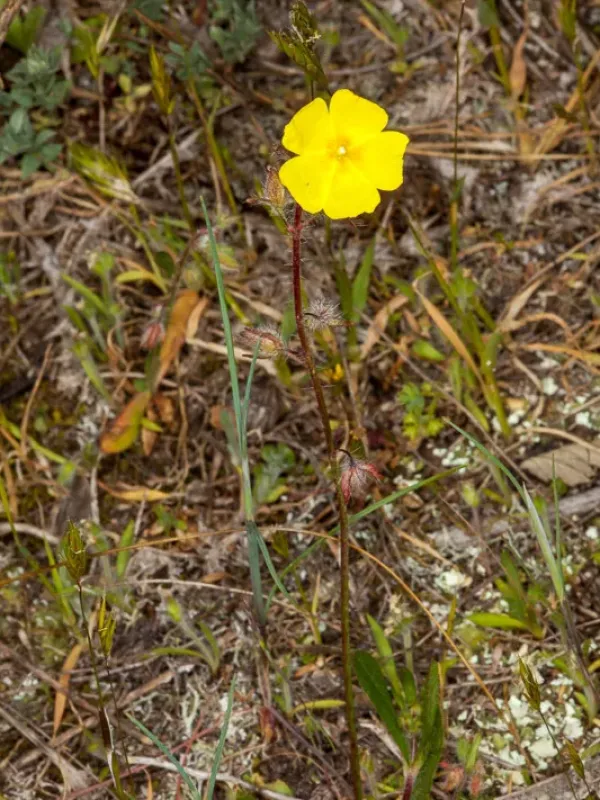
Description
Growing requirements
Tuberaria praecox is a perennial herb belonging to the Cistaceae family. It is known for its ability to thrive in sunny, open habitats and is highly regarded in horticultural circles for its aesthetic appeal and hardiness.
Botanically, the plant is characterized by a basal rosette of leaves and slender stems covered in fine trichomes. These features are critical for moisture retention, allowing the plant to withstand dry environmental conditions effectively.
The cultural requirements for this plant focus heavily on soil structure. It demands exceptionally well-drained, sandy, or rocky soil. Any significant water retention in the root zone can be lethal, making drainage the most critical factor in successful cultivation.
Tuberaria praecox prefers full sun exposure to maintain its compact growth habit and promote prolific flowering. While it is naturally tolerant of nutrient-poor soils, modest fertilization can support more vigorous growth and bloom longevity during the spring season.
Horticulturally, it is utilized primarily as an ornamental specimen in rock gardens and landscapes that mimic Mediterranean conditions. Its early flowering cycle provides a significant benefit for seasonal garden planning.
Main diseases and pests
The primary threats to Tuberaria praecox are fungal pathogens triggered by poor ventilation and excess moisture. To prevent root rot and mildew, gardeners must ensure high air circulation and avoid overhead watering techniques.
Insect pests, such as aphids and spider mites, may periodically infest the foliage during hot, dry spells. Early detection through regular monitoring is the most effective method for managing these infestations without heavy chemical intervention.
Sanitation is a vital component of pest management. Removing dead or necrotic leaves ensures that the microclimate remains unfavorable for pest and disease proliferation, helping to keep the plant in optimal health.
Weed control is essential, as competing vegetation can inhibit the growth of the Tuberaria and increase humidity around the plant base. Maintaining a clear growing space reduces the likelihood of disease transmission.
Applying balanced mineral fertilizers sparingly can increase the plant's overall stress tolerance. A healthy plant is significantly more resistant to common garden pests and local environmental pathogens.