
Tuberaria commutata
Tuberaria commutata
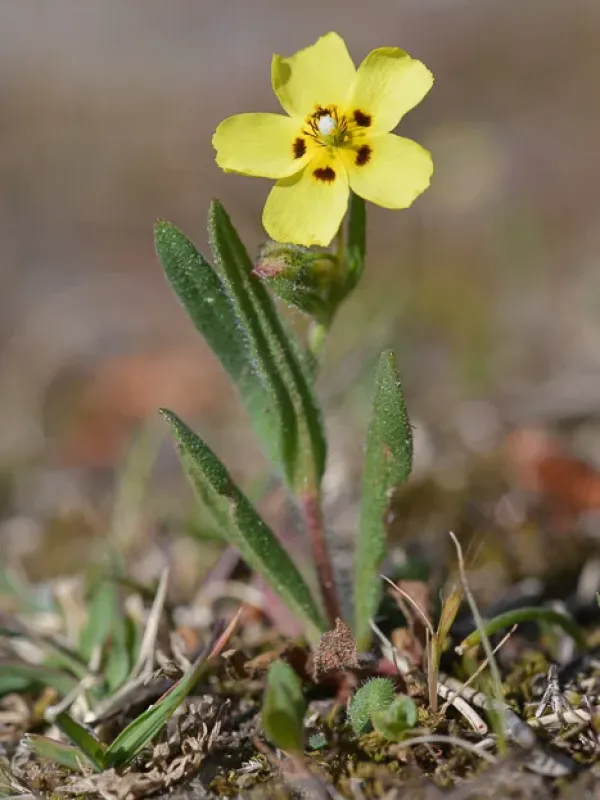
Description
Sowing dates
Tuberaria commutata is a herbaceous plant belonging to the Cistaceae family, known for its specific ecological niche and unique development cycle.
Sowing should ideally occur in early spring using a well-draining seed-starting mix to ensure adequate germination rates for this sensitive species.
Seeds are small and require surface sowing or very light covering with sand to allow sufficient light penetration, which is vital for the initiation of growth.
Pre-treatment of seeds, such as cold stratification, can significantly improve the uniformity of germination, especially in colder cultivation zones.
Initial irrigation must be managed carefully, ensuring the substrate remains moist but never waterlogged to avoid the risk of damping off in young seedlings.
Growing requirements
This species thrives in full sun exposure and is highly adapted to bright, open environments characteristic of its natural Mediterranean habitat.
Soil composition must be sandy or gravelly, providing excellent drainage. Heavy clay soils are generally unsuitable and will likely lead to root system failure.
Tuberaria commutata displays high drought tolerance once established, making it a sustainable choice for xeriscaping and low-maintenance landscape projects.
The plant prefers neutral to slightly acidic pH levels; however, it is highly sensitive to the build-up of excess salts or fertilizers in the root zone.
Adequate spacing is required to maintain airflow, which helps prevent the development of moisture-related issues during the growth cycle.
Main diseases and pests
Root rot caused by overwatering is the most significant threat to the health and longevity of Tuberaria commutata in cultivated settings.
Fungal infections, such as powdery mildew, may affect the foliage if the plants are situated in areas with poor ventilation and high humidity levels.
Pests like spider mites may infest the plant during prolonged periods of drought, especially if the plant's natural defense mechanisms are impaired.
Preventive care involves maintaining a clean growing environment and ensuring that the substrate dries out appropriately between irrigation cycles.
Monitoring for insect pests and applying mild insecticidal soaps early in the infestation process remains the most effective management strategy for this crop.