
Revol's Cistus
Cistus revolii
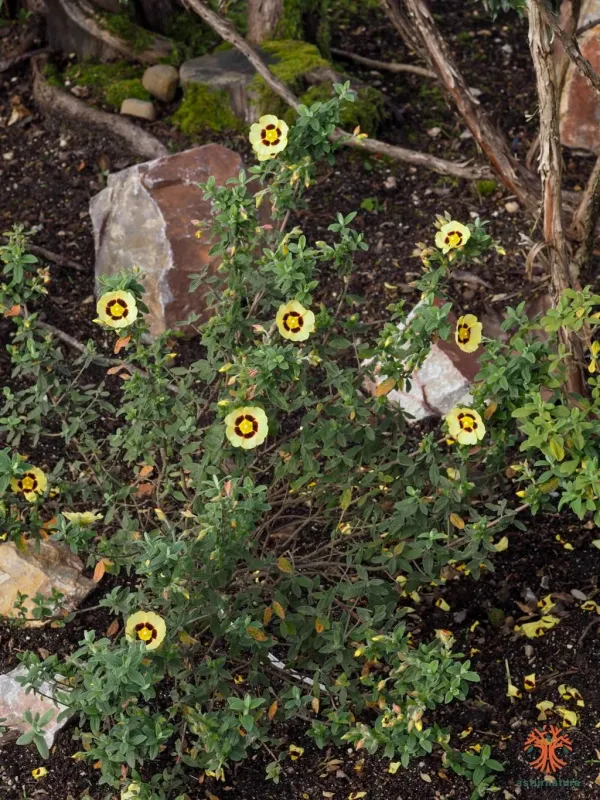
Description
Sowing dates
Sowing seeds of Revol's Cistus should take place in late winter or early spring in a protected environment. For successful germination, seeds often benefit from a period of cold stratification to mimic natural conditions.
The growing medium must be very well-drained, consisting of a mix of potting soil and plenty of sand or perlite. Keep the containers covered with plastic to maintain high humidity until the first sprouts emerge.
Prick out seedlings into individual pots once they develop two sets of true leaves to avoid damaging their delicate root systems. Careful handling at this stage is crucial for ensuring the survival of the young plants.
Transplanting to their permanent outdoor location should only happen once the danger of frost has fully passed. Choose a spot that allows for rapid acclimatization to the prevailing local conditions.
Vegetative propagation via semi-ripe cuttings in the summer is the most reliable way to reproduce the plant. This method ensures that the offspring retain the exact genetic and fragrant characteristics of the parent.
Growing requirements
Revol's Cistus belongs to the Cistaceae family and is an archetypal Mediterranean shrub that thrives in full sun. It requires a position that is open, bright, and shielded from harsh, freezing winds.
Exceptional drainage is the most critical requirement for this species, as waterlogged soil quickly causes root decay. It prefers impoverished, stony, or sandy soils with a neutral to slightly acidic pH level.
The plant is highly tolerant of heat and drought but struggles with the combination of high humidity and cold temperatures. In regions with harsh winters, providing temporary protective covering is highly recommended.
Mature bushes require very little irrigation, thriving best on natural rainfall once established. Overwatering is a common mistake that can significantly weaken the plant's health and shorten its lifespan.
Fertilizer application should be kept to an absolute minimum. Since Cistus is adapted to nutrient-poor soils, excessive feeding usually results in weak, spindly growth rather than lush, aromatic foliage.
Yield
The primary economic value of Revol's Cistus lies in the extraction of aromatic resins and essential oils used in high-end perfumery. Yield is determined by the density of the plantation and the age of the shrubs.
Optimal concentration of fragrant compounds is achieved during peak flowering, which is the ideal window for harvesting. Farmers plan the harvest for dry, sunny days to prevent moisture from degrading the oil quality.
Industrial cultivation involves regular pruning to promote dense growth and keep the plants within a manageable size. Consistent harvesting practices lead to a sustainable supply of high-quality plant material.
A productive plantation can maintain good yield levels for about 7 to 10 years. After this cycle, the bushes typically require replacement to maintain the high standards required for essential oil extraction.
In landscape gardening, the yield is measured by the plant's aesthetic impact. A well-cared-for shrub provides abundant blooms and deep green foliage, serving as an attractive focal point in Mediterranean-style gardens.
Main diseases and pests
Fungal diseases are the primary threat, especially in conditions where drainage is poor or air circulation is restricted. Root rot is a common outcome of excessive moisture at the base of the plant.
Powdery mildew can affect the leaves during periods of stagnant, humid air. To manage this, prune back affected branches and ensure that the plants are spaced far enough apart to allow airflow.
Pests like aphids and spider mites can occasionally attack the plant, particularly in hot, dry weather. Regular inspections help catch these pests early, allowing for targeted, eco-friendly management solutions.
Poor agricultural practices remain the largest threat to the crop's health. Planting in heavy clay soil or failing to provide proper site preparation often leads to long-term issues with pests and disease.
Keeping the area around the base of the shrub free of weeds is an essential preventive measure. Weeds compete for nutrients and create microclimates that increase humidity, making the plant susceptible to infection.
Harvesting
Harvesting should be done in the morning once the dew has evaporated but before the heat of the day reaches its peak. This timing ensures that the volatile essential oils are at their most stable concentration.
Use clean, sharp shears to trim the young shoots. It is important not to harvest more than one-third of the shrub at a time to allow the plant enough energy to recover before the next dormant season.
Harvested material should be processed or dried immediately in a shaded, well-ventilated space. Leaving the material in large piles can cause overheating, which destroys the delicate fragrance profile.
In gardens, deadheading the flowers keeps the plant looking tidy and prevents the plant from wasting energy on seed production. This simple task encourages the plant to maintain a stronger, healthier structure.
A light application of trace minerals after the harvest can help support the plant during its recovery phase. Such post-harvest care is vital for strengthening the shrub against future seasonal stresses.