
Tuberaria globulariifolia
Tuberaria globulariifolia
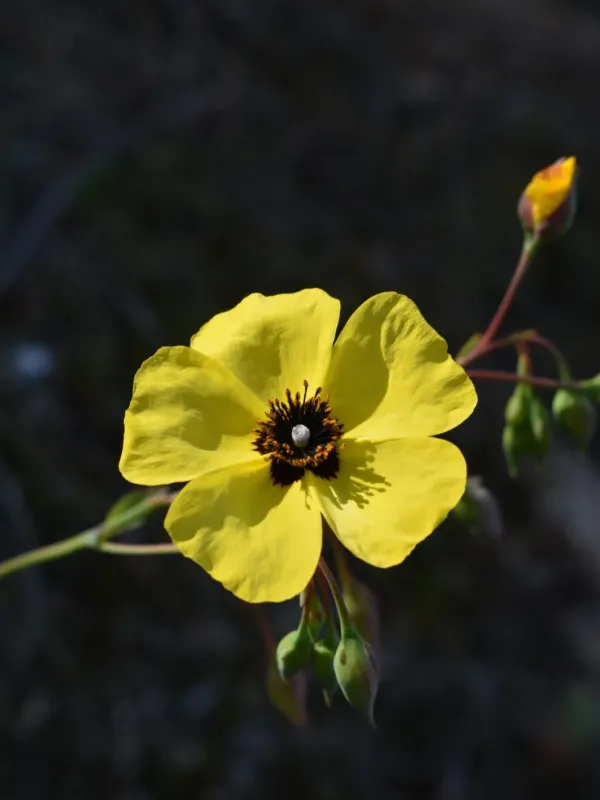
Description
Sowing dates
Tuberaria globulariifolia, a member of the Cistaceae family, requires a precise approach to propagation. Seeds are best sown in early spring into a well-drained, gritty substrate that mimics their natural rocky habitat.
Maintenance of stable temperatures around 20 degrees Celsius is essential for successful germination. The seed trays should be placed in a bright area, protecting the delicate seedlings from harsh direct sunlight initially.
Once the seedlings have developed their first true leaves, they should be carefully pricked out into individual pots. Because the species develops a significant taproot, minimizing disturbance during transfer is critical for health.
Hardening off the plants before final planting in the garden ensures they can withstand outdoor conditions. They thrive best when placed in sunny spots with excellent soil aeration.
Direct sowing in areas with mild climates is possible if the soil is prepared to be light and porous, preventing any potential water logging during the initial growth stages.
Growing requirements
This species is native to Mediterranean environments, which dictates its need for high light intensity. It is an ideal candidate for rock gardens where natural heat and light can be fully captured.
The soil must be sandy or stony with a neutral or slightly acidic reaction. Drainage is the most critical factor; the plant is highly sensitive to moisture accumulation, which can cause root damage.
As a drought-tolerant plant, it requires minimal intervention during the summer months. It is well-adapted to survive with low water availability, making it an excellent choice for low-maintenance landscaping.
Exposure to wind is generally tolerated, but the plant performs best in sheltered spots that protect it from extreme winter cold. In colder zones, it is often treated as an ornamental annual.
Minimal fertilization is required; excessive nutrient application often does more harm than good by forcing soft, disease-prone growth rather than the naturally sturdy architecture of the plant.
Main diseases and pests
Root rot caused by stagnant water is the primary threat to the health of Tuberaria globulariifolia. It is essential to ensure that the site has a steep enough gradient or sufficient depth of gravel for drainage.
Spider mites may occasionally infest the plants, particularly in hot, dry, and stagnant air conditions. Regular monitoring of the foliage helps detect early signs of pest activity before they become severe.
Aphids might target tender young growth during the spring. They can be effectively managed by natural predators or gentle sprays of water, avoiding the need for strong chemical insecticides.
Powdery mildew can affect the leaves if air circulation is insufficient. Ensuring proper spacing between individual plants is a key cultural control method to maintain a healthy and dry leaf surface.
Good hygiene practices, such as removing debris and dead foliage around the plant base, are essential to prevent the accumulation of pathogens that could compromise the plant's natural resilience.