
Tuberaria inconspicua
Tuberaria inconspicua
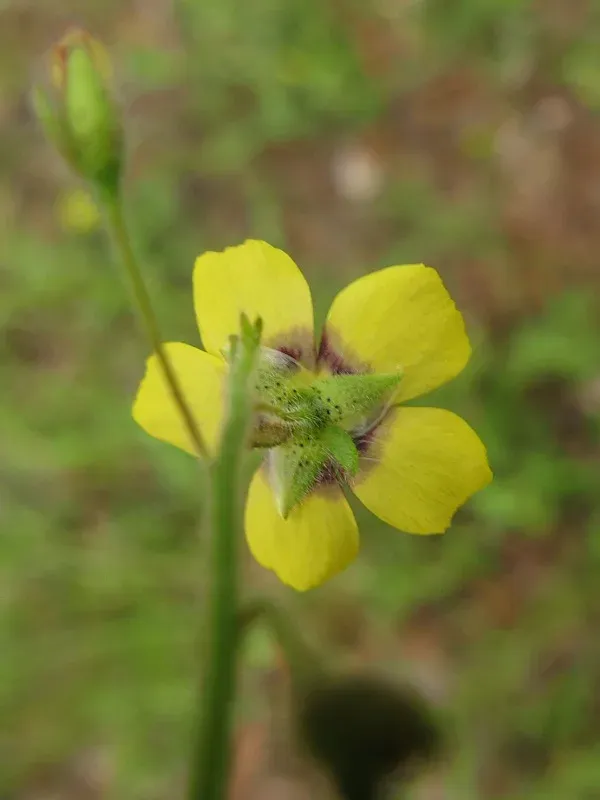
Description
Sowing dates
Tuberaria inconspicua is an annual herbaceous plant belonging to the Cistaceae family. Its cultivation begins with selecting suitable sites that mimic the plant's native ecological niche, ensuring optimal conditions for seed germination.
Direct sowing is the preferred method because the plant develops a taproot system that is highly sensitive to transplantation. Seeds should be sown in the spring when soil temperatures consistently range between 15°C and 20°C.
The seeds are small and should be sown at a shallow depth, approximately 0.5 to 1 cm. Adequate moisture must be maintained during the initial two-week period to ensure successful seedling establishment.
Thinning is recommended to maintain optimal plant density, preventing overcrowding and competition for resources. This practice facilitates healthier plant development and more uniform growth across the field.
For regions with specific climatic conditions, autumn sowing can be explored to utilize seasonal rainfall, provided the site is protected from harsh frost that could damage young seedlings.
Growing requirements
This species requires high levels of solar radiation to thrive. Shade-grown plants often show poor vigor and structural weakness, which directly impacts their lifecycle and overall productivity.
Well-drained sandy or loamy soils are essential for the survival of Tuberaria inconspicua. High soil moisture content is detrimental, as it promotes root rot and suffocates the plant roots.
The plant demonstrates high adaptability to poor soil fertility, which is typical of its native environment. Consequently, excessive fertilization is unnecessary and may negatively impact the plant's health.
Climatic preferences include a balance of temperate conditions. While the plant is drought-tolerant, extreme and prolonged periods of heat and moisture deficit should be mitigated with light, controlled irrigation.
Maintenance involves routine weeding to reduce competition for nutrients and space. Keeping the soil surface loose through light cultivation aids gas exchange in the root zone.
Main diseases and pests
The primary threats to this culture are related to root pathogens and fungal infections. These issues typically arise in conditions where drainage is poor and the humidity remains consistently high.
Insect pests, such as aphids and mites, may cause damage to the foliage during periods of environmental stress. Implementing integrated pest management strategies is crucial to protecting the crop.
Powdery mildew can become a problem in dense plantings with restricted airflow. Maintaining adequate spacing and monitoring the field regularly are effective preventative measures against fungal spreading.
Effective weed management is essential, as invasive species can quickly overwhelm the relatively slow-growing Tuberaria inconspicua. Hand weeding is often more suitable for small-scale plantings.
Crop rotation protocols should be strictly followed to prevent the buildup of soil-borne diseases. Avoiding monoculture on the same site for consecutive years significantly reduces disease risk.