
Parinari capensis
Parinari capensis
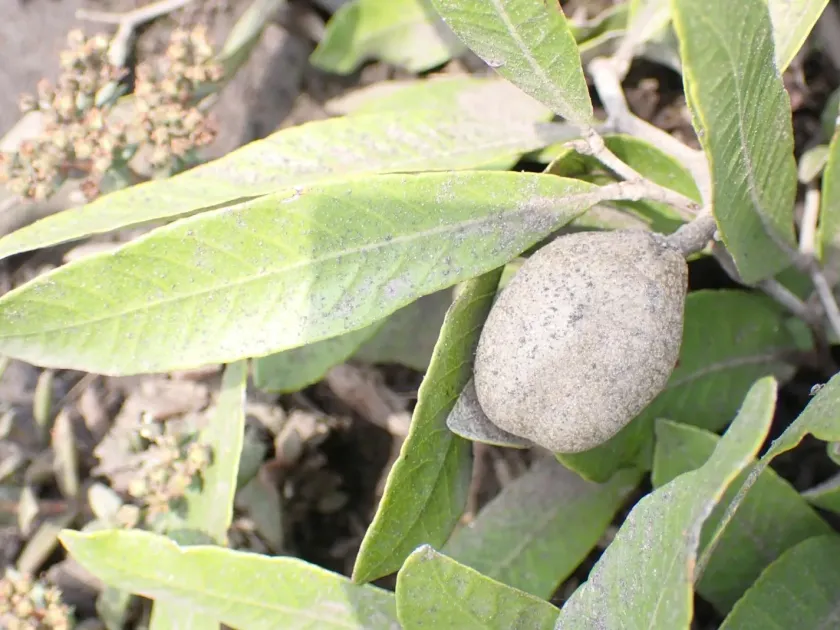
Description
Sowing dates
The propagation of Parinari capensis primarily relies on seed germination, which requires specific environmental stimuli typical of its native savannah habitats.
Agronomists recommend preparing the seeds by scarifying the hard outer coat, which significantly improves the rate and uniformity of germination.
Sowing should be carried out in a well-draining substrate, ensuring that the moisture levels are consistent but not excessive during the initial growth phase.
Seedlings are relatively slow-growing, so they should remain in a nursery environment until they develop a robust root system capable of independent survival.
Transplanting into the field is best timed with the onset of the wet season, which provides the necessary hydration for the plant to establish itself in the soil.
Growing requirements
Parinari capensis belongs to the Chrysobalanaceae family and is recognized as a hardy, low-growing shrub adapted to fire-prone African landscapes.
The plant thrives in sandy or well-aerated soils and requires an environment that prevents waterlogging, which is essential for root health.
Optimal development depends on full sun exposure, as the plant is highly sensitive to shading, which can severely inhibit its vegetative and reproductive growth.
It displays remarkable resilience to drought, largely due to its extensive underground root system that acts as a reservoir for nutrients and moisture.
The species requires a climate with distinct wet and dry seasons, mirroring the natural cycles of the African ecosystems where it is traditionally found.
Yield
Fruit production is generally seasonal and depends heavily on the climatic conditions of the previous wet season and the efficacy of pollinating insects.
The fruits serve as an important traditional food source, appreciated for their distinct flavor and nutritional value by local populations.
Yield capacity per shrub is relatively modest, reflecting the plant's adaptation to nutrient-poor soils rather than intensive, high-output agriculture.
Sustainable harvesting practices are essential to ensure the longevity of the plant population, as the shrub relies on both sexual and vegetative reproduction.
In various regions, the plant is valued for its versatility, providing not just food but also contributing to the stability of the local ecosystem structure.
Main diseases and pests
Common threats to Parinari capensis include fungal infections that thrive during prolonged periods of high humidity and excessive rainfall.
Various insect pests, including larvae and foliage-feeding insects, can impact the vigor of the plant if infestations are not managed early.
Root rot remains a primary concern in agricultural settings, particularly where drainage is compromised or irrigation protocols are poorly implemented.
Land degradation and overgrazing by local livestock pose significant risks to the natural recruitment of new shrubs in the landscape.
Effective management includes regular monitoring of plant health and ensuring that the surrounding area is free from competitive invasive weeds.
Harvesting
The harvest process is traditionally manual, requiring careful selection to ensure that only mature fruits are collected for consumption or processing.
Timing the harvest is critical, as the fruit quality peaks at a specific stage of ripeness, which can be identified by both color change and aroma.
Post-harvest handling is vital, given the limited shelf life of the fresh fruit in the high temperatures typical of its native range.
Drying the fruit under the sun is a standard preservation technique, enabling long-term storage and maintaining the availability of nutrients throughout the year.
Farmers are advised to handle the harvest gently to preserve the plant's delicate branches, which contribute to the continued productivity of the shrub.