
Parinari curatellifolia
Parinari curatellifolia
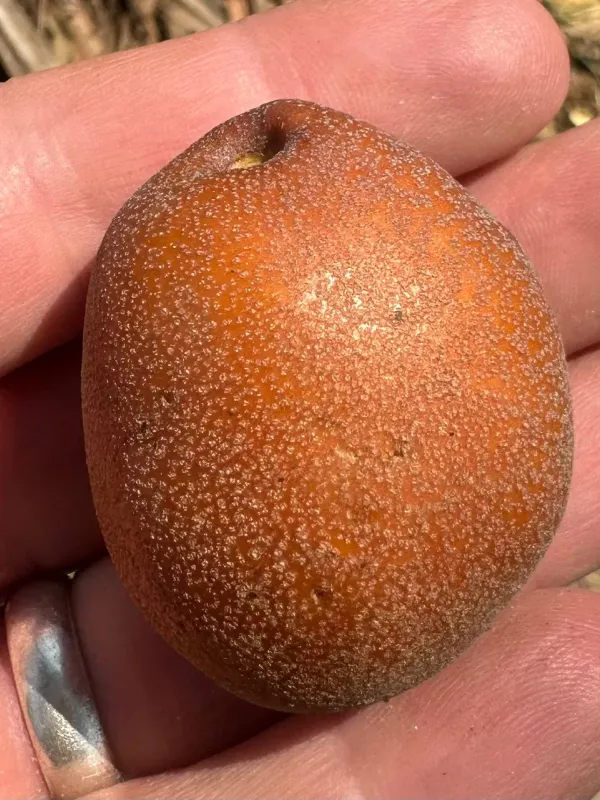
Description
Growing requirements
Parinari curatellifolia, commonly referred to as the mobola plum, is a prominent member of the Chrysobalanaceae family. This evergreen tree is highly valued for its edible fruits and medicinal properties across African woodlands.
The tree typically grows in savannah landscapes, exhibiting a robust structure that can withstand significant climatic variations. It is characterized by its large, leathery, elliptic leaves which are covered in fine, hair-like structures.
The species performs best in well-drained, sandy loam soils that prevent waterlogging around the root zone. A high concentration of organic matter in the soil significantly promotes faster growth in juvenile stages.
In terms of climate, the tree thrives in areas with distinct wet and dry seasons, demonstrating resilience to heat. Adequate sunlight is essential for flower induction and subsequent fruit development throughout the maturation phase.
Beyond its culinary utility, the tree is a staple in agroforestry systems due to its drought-tolerant nature. Its hard timber is highly sought after for furniture making and heavy-duty structural applications in rural areas.
Main diseases and pests
The primary fungal threat to the mobola plum is leaf spot, which is typically triggered by high humidity levels. Maintaining good tree architecture through selective pruning is the best cultural control strategy.
Fruit-boring insects present a major challenge to farmers, often necessitating the use of targeted pest management. Integrated pest management (IPM) practices, such as clearing fallen debris, help reduce overwintering pest populations.
Nutrient deficiency, specifically related to micronutrients, can lead to yellowing leaves and reduced vitality. Soil testing is recommended every few years to ensure proper fertilization protocols are implemented.
Vertebrate pests like monkeys or rodents often target the fruits, requiring orchard monitoring. Physical barriers or netting can be used in small-scale cultivation to protect the harvest during the final ripening phase.
In cases of overcrowding, competition for light and soil minerals becomes a critical issue. Strategic spacing during initial plantation is essential to maintain tree health and simplify long-term agronomic management.