
Parinari excelsa
Parinari excelsa
Description
Growing requirements
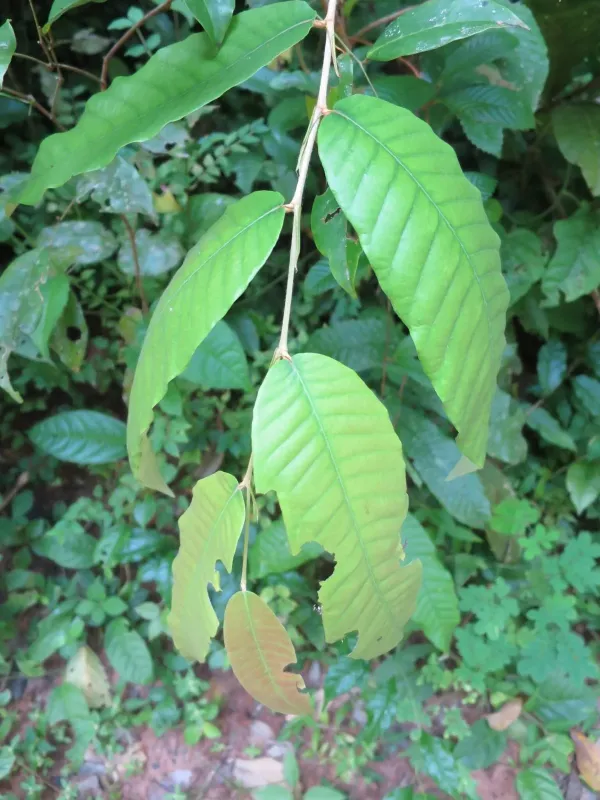
Parinari excelsa is a large, evergreen tree belonging to the Chrysobalanaceae family. Known for its impressive stature, it can reach heights of up to 50 meters, often serving as a dominant canopy species in tropical forests across Africa.
The tree thrives in tropical climates characterized by high annual rainfall and minimal temperature fluctuations. It is primarily found in lowland rainforests, gallery forests, and occasionally on well-drained slopes where deep soils provide sufficient moisture.
Regarding soil requirements, the species performs best in deep, fertile, and well-aerated substrates. While it can adapt to various soil types, maintaining a steady supply of nutrients and avoiding waterlogged conditions are critical for healthy development.
The cultivation of this species requires careful management of sunlight exposure. Seedlings prefer dappled shade to prevent desiccation, while mature trees demonstrate high light requirements to maintain vigor and ensure the production of fruit in substantial quantities.
Economically, Parinari excelsa is highly valued. Its dense, durable wood is excellent for construction and carpentry. The edible fruits are consumed locally, and the plant has diverse applications in traditional medicine and artisanal production.
Main diseases and pests
The species is susceptible to various fungal pathogens, particularly in areas with poor drainage, which can lead to root rot. Such infections often weaken the tree, making it prone to wind-throw and other structural failures during severe weather.
Boring insects and wood-attacking beetles represent significant threats to timber quality. These pests tunnel into the bark and sapwood, which can compromise the tree's vascular system and provide entry points for secondary pathogens.
Parasitic plants, including various species of mistletoe, frequently infest the canopy. Heavy infestations can lead to significant branch dieback and reduce the tree's overall photosynthetic capacity, impacting long-term yield.
Defoliating insects can be problematic during the active growth phases. Outbreaks of larvae can significantly reduce the leaf area, leading to growth stunting and leaving the plant vulnerable to competition from invasive species.
Integrated pest management strategies, such as maintaining optimal spacing between trees and performing regular sanitary pruning, are essential to preserve the integrity of plantations and ensure sustainable productivity.