
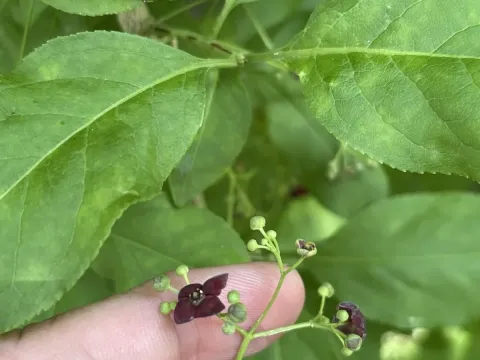
Eastern wahoo
Euonymus atropurpureus
Propagation of the Eastern wahoo is typically achieved through stem cuttings taken during the summer months when the wood is semi-hardened. This method ensures that the new plants retain the characteristics of the parent shrub.
What the section contains
Eastern wahoo
Seed propagation is also possible but requires a period of cold stratification to break dormancy. Seeds should be sown in autumn or kept in a cold frame, allowing them to experience winter temperatures before germinating in the spring.
When establishing new plantings, one- or two-year-old nursery-grown seedlings are preferred. Early spring planting is generally recommended to allow the root system to become established before the onset of summer heat.
The spacing between individual plants should ideally be 1.5 to 2 meters to allow for proper air circulation. Proper spacing prevents overcrowding, which is essential for the plant's long-term health and vigor.
Initial soil preparation involving the incorporation of organic matter improves the nutrient profile. Adding compost or well-rotted manure at the planting site helps create a hospitable environment for young roots.
Eastern wahoo (Euonymus atropurpureus) is a deciduous shrub belonging to the Celastraceae family, native to North America. It is widely recognized for its vibrant autumn foliage and unique, colorful fruits that persist into winter.
The species thrives in a variety of environments, ranging from full sun to partial shade. While it adapts to various light conditions, better fruiting and more intense leaf color are generally achieved in sunny locations.
It prefers moist, well-drained, and fertile soils. While it can tolerate a range of soil types, it performs best in rich loams that maintain consistent moisture levels throughout the growing season.
Maintenance involves routine watering during the first few years until the plant is fully established. Once mature, the Eastern wahoo demonstrates moderate drought tolerance but appreciates extra water during extended dry spells.
Minimal pruning is usually required, mainly focused on removing dead or damaged wood. Shaping the plant for aesthetic purposes is best done in late winter or early spring before the new growth starts.
The burning bush moth and other leaf-eating caterpillars are the most common pests affecting this species. Regular monitoring during the growing season allows for early intervention before extensive defoliation occurs.
Scale insects and aphids can occasionally infest the stems and leaves, causing a decline in plant vigor. Horticultural oils or systemic insecticides are effective measures if infestations become significant.
Fungal issues such as powdery mildew may develop, particularly in humid climates or crowded conditions. Improving air circulation by selective thinning of branches is an effective cultural control method.
Root rot is a risk factor if the plant is situated in areas with poor drainage and standing water. Ensuring that the site is well-drained is the most critical preventative measure against root-related diseases.
An integrated pest management approach, involving both cultural practices and targeted treatments, ensures the health and longevity of the shrub in both wild and cultivated settings.