
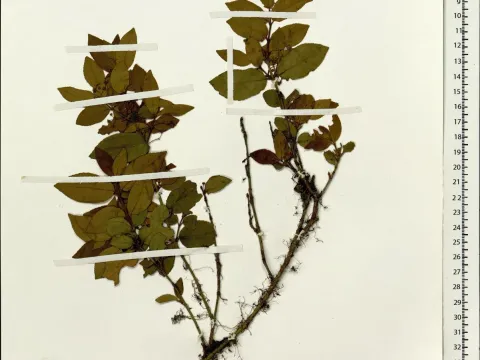
Euonymus echinatus
Euonymus echinatus
Euonymus echinatus, a member of the Celastraceae family, is a woody plant native to the Himalayan region. It is highly valued for its distinct botanical characteristics and is typically found in mountainous ecosystems that provide a balance of cool temperatures and consistent atmospheric humidity.
What the section contains
Euonymus echinatus
The plant requires well-drained, nutrient-rich soil to thrive. It performs best in loam soils with a slightly acidic to neutral pH level. Proper site selection is crucial, as the species does not tolerate waterlogged conditions which often lead to root asphyxiation and subsequent decay of the root system.
Climate requirements involve moderate exposure to sunlight, preferably in a partially shaded environment. Protecting the foliage from intense heat and direct sunlight during the peak of summer is essential, as the species is adapted to cooler, higher-altitude habitats rather than arid, open fields.
Agrotechnical practices include consistent watering during the initial establishment phase. Once the root system is well-developed, the plant becomes more resilient, but supplementary irrigation is still required during prolonged dry spells to maintain vigour and prevent premature leaf drop.
Maintenance pruning is vital for plant health and aesthetic structure. By removing crossing or damaged branches in early spring, gardeners ensure better air circulation throughout the canopy, which is a fundamental aspect of preventive horticultural care for this specific Euonymus variety.
Common pests affecting Euonymus echinatus include aphids and spider mites, which feed on the sap of young, succulent tissues. Monitoring for these pests is essential, as heavy infestations can lead to significant stunting of growth and yellowing of the foliage.
Fungal diseases, most notably powdery mildew, are prevalent in areas with poor ventilation and high humidity. Application of appropriate fungicides or neem-based solutions can effectively manage outbreaks, provided that the underlying environmental issues are addressed simultaneously.
Root rot, typically caused by soil-borne pathogens like Phytophthora, poses a severe risk to plant survival. To mitigate this threat, it is recommended to manage irrigation precisely and apply systemic fungicides if the soil appears consistently waterlogged or if initial signs of wilting appear.
Scale insects can also be a significant nuisance, attaching themselves to the stems and branches. These pests are often difficult to detect until the plant starts showing signs of decline, making regular physical inspections of the bark and branches a mandatory part of the maintenance schedule.
Leaf spot diseases, caused by various fungal pathogens, may occur during wet, rainy seasons. Maintaining garden hygiene by removing and disposing of fallen infected leaves is a primary cultural method to break the disease cycle and ensure the long-term health of the shrub.