
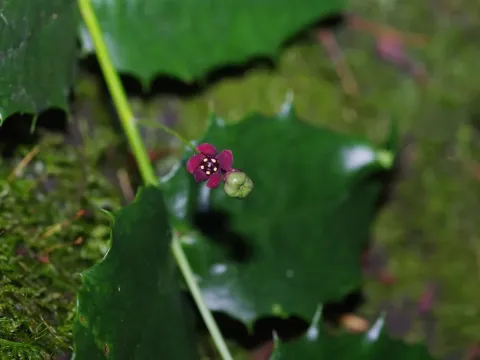
Euonymus aquifolium
Euonymus aquifolium
Euonymus aquifolium is a distinctive species within the Celastraceae family. It is widely recognized for its evergreen foliage which exhibits serrated, holly-like edges, making it a highly desirable candidate for specialized landscape design and ornamental gardening.
What the section contains
Euonymus aquifolium
Originating from the mountainous regions of East Asia, this plant thrives in environments that replicate its native cool and humid climate. It is well-adapted to partial shade, which protects the foliage from potential sun damage during peak summer heat.
The ideal growing substrate for this shrub consists of fertile, well-draining loam with a slightly acidic to neutral pH. Proper soil preparation is essential to prevent waterlogging, as the root system is sensitive to prolonged saturated conditions.
Regarding climate adaptation, the plant requires protection from harsh, drying winds, especially during the dormant winter period. In colder hardiness zones, applying organic mulch around the base of the shrub helps insulate the roots and maintain consistent soil moisture.
Regular maintenance practices, such as applying slow-release balanced fertilizers in early spring, promote healthy growth. Additionally, light pruning is recommended to maintain a desired shape and encourage denser foliage development throughout the season.
The primary insect threats to Euonymus aquifolium include spider mites and euonymus scale insects, which can cause significant foliar damage. Monitoring the undersides of leaves is critical for early detection and mitigation.
Powdery mildew is the most common fungal disease affecting this species, particularly when plants are grown in areas with poor airflow. Improving plant spacing and avoiding overhead watering are effective preventive measures.