
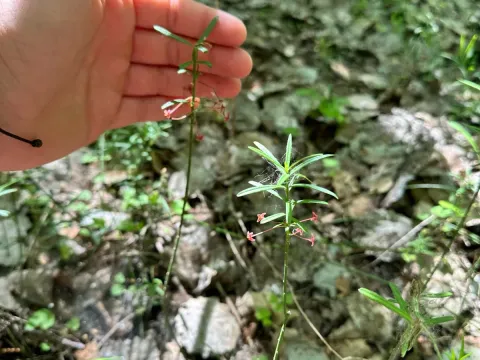
Dwarf spindle
Euonymus nanus
Dwarf spindle (Euonymus nanus) is a low-growing, evergreen shrub from the Celastraceae family. Native to regions across Europe and Asia, this plant is highly valued for its creeping habit and its ability to form dense, ground-hugging mats that make it an excellent choice for rock gardens and borders.
What the section contains
Dwarf spindle
The plant thrives best in areas with partial shade or dappled sunlight. While it can tolerate some sun, excessive exposure during hot summer afternoons can scorch the foliage, while full shade may lead to sparse growth and reduced overall vitality of the plant.
Proper soil management is critical for the success of Dwarf spindle. It requires well-draining, fertile, and slightly alkaline or neutral soil. Avoiding waterlogged conditions is essential, as the roots are susceptible to rotting if the soil remains constantly saturated for extended periods.
Cultural practices include consistent watering during dry spells, especially for young, newly established plants. Mulching around the base helps retain soil moisture, suppresses weed competition, and provides a layer of protection for the shallow root system during temperature fluctuations.
Pruning is generally minimal but can be performed in early spring to shape the plant or remove any damaged stems from the previous winter. Because of its spreading nature, it can be easily propagated by division or layering, allowing for efficient expansion of ground cover areas.
Spider mites are the most frequent pests, particularly in hot and dry climates. These pests feed on the cell contents of the leaves, causing stippling, discoloration, and a decline in the plant's aesthetic appeal.
Powdery mildew represents a significant fungal threat, characterized by a white, floury coating on the leaf surfaces. It typically occurs in damp, poorly ventilated areas, necessitating improved spacing and airflow.
Aphids often target new, succulent growth in the spring. If left unmanaged, they can cause stunted development and may transmit viral diseases, requiring the use of insecticidal soaps or systemic treatments.
Root rot is a common physiological threat caused by over-irrigation or inadequate soil drainage. Preventing this requires careful monitoring of the moisture levels and ensuring that the planting medium remains porous.
Winter damage, including leaf desiccation and branch dieback, can occur during harsh, windy winters. Providing winter protection for young plants helps ensure their survival until they become fully established.