
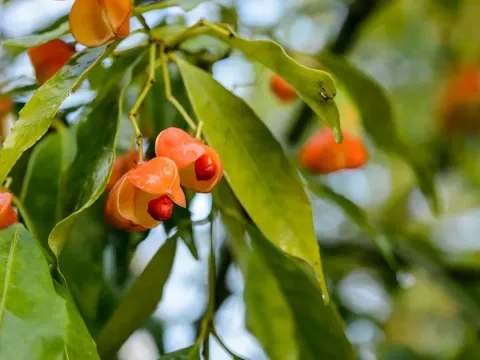
Euonymus myrianthus
Euonymus myrianthus
Euonymus myrianthus is an evergreen or semi-evergreen shrub belonging to the Celastraceae family. Native to the mountainous forests of China, this plant has adapted to cool, moist environments, which makes it a unique addition to specific garden microclimates.
What the section contains
Euonymus myrianthus
The cultivation of this shrub requires well-drained, fertile soils with a neutral to slightly acidic pH. Proper drainage is essential, as the root system is susceptible to decay if exposed to waterlogged conditions, particularly during the dormant season.
Regarding climatic requirements, Euonymus myrianthus thrives in regions with moderate temperatures. While it can withstand some cold, it prefers sheltered locations protected from harsh, drying winds, especially in areas where winter temperatures drop significantly.
Agrotechnical practices involve consistent, moderate watering during the growing season to establish a healthy root system. Applying organic mulch around the base helps retain moisture and regulate soil temperature, promoting vigorous foliage development.
In landscaping, this species is prized for its aesthetic value. Its dense growth habit and the profusion of vibrant, colorful fruit capsules make it an excellent choice for ornamental hedges and focal points in diverse garden designs.
Spider mites and aphids are among the most common pests affecting Euonymus myrianthus. These insects thrive in dry conditions and can cause significant foliage damage if left unchecked, requiring immediate intervention with systemic insecticides.
Scale insects present another challenge, often attaching themselves to the stems and branches. Manual removal combined with horticultural oil applications is an effective method for managing minor infestations before they become widespread.
Powdery mildew is a frequent fungal threat, especially in humid and stagnant air conditions. Ensuring proper spacing between plants and implementing pruning to improve airflow are critical cultural practices to minimize the risk of infection.
Root rot is primarily caused by poor soil drainage and excessive watering. To prevent this, gardeners should ensure the planting site is correctly prepared with grit or gravel to facilitate water movement through the soil profile.
Maintaining plant health through a proactive approach is vital. Regular monitoring, balanced fertilization, and the use of integrated pest management strategies will ensure that Euonymus myrianthus remains a healthy and attractive feature in the landscape.