
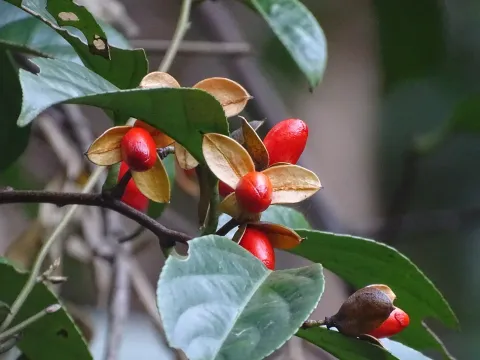
Celastrus stylosus
Celastrus stylosus
Celastrus stylosus is a woody climbing vine belonging to the Celastraceae family. It is known for its vigorous growth habit and ability to climb using twining stems, making it an excellent candidate for covering walls, fences, or large pergolas in a landscape setting.
What the section contains
Celastrus stylosus
Originating from the mountainous forests of Eastern Asia, this species thrives in temperate climates. Its natural habitat suggests a preference for environments where seasonal variations are present but extreme conditions are avoided, especially during the establishment phase of the plant.
When selecting a site, it is crucial to provide a well-drained soil rich in organic matter. While Celastrus stylosus can tolerate a range of soil types, it performs best in neutral to slightly acidic conditions. Adequate spacing is necessary to allow for root expansion and air circulation.
The cultural practices for this plant center on structural support. As the vine grows, the weight increases significantly; therefore, installing robust trellis systems or supporting structures is essential to prevent damage to the vine and the surrounding infrastructure.
Annual maintenance involves pruning to manage the spread of the vine. Since it grows rapidly, pruning back the previous season's growth in early spring helps to encourage dense branching and improves the overall structural integrity and aesthetic appeal of the climber.
Generally, Celastrus stylosus is considered a hardy plant with relatively few serious health problems, provided that its environmental requirements are met appropriately.
Powdery mildew may occasionally affect the foliage during periods of high humidity and stagnant air. Ensuring good spacing and light penetration through the canopy is the most effective cultural method to mitigate this risk.
Aphids and spider mites are common pests that may infest the tender new growth. Monitoring during the early growth stages is recommended, with horticultural oils or soaps used as the first line of defense if populations exceed economic thresholds.
Root rot is a potential risk in waterlogged soils. Ensuring that the planting site has excellent drainage is critical for the long-term health of the root system and the prevention of soil-borne pathogens.
In colder regions, preventing winter kill is essential. Protecting the base of the plant with a layer of mulch and providing shelter from desiccating winter winds can help ensure survival through dormancy.