
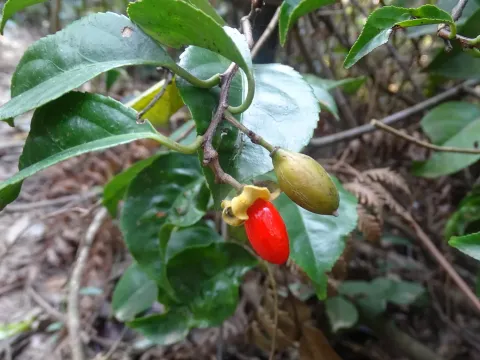
Celastrus monospermus
Celastrus monospermus
Celastrus monospermus is a woody vine species belonging to the Celastraceae family. Seeds are typically sown in the autumn season directly into outdoor soil, allowing them to undergo natural stratification throughout the winter months.
What the section contains
Celastrus monospermus
For spring sowing, seeds require pre-treatment such as stratification in a cool environment (1–5 degrees Celsius) for several weeks to break dormancy. Seedlings should be transplanted once the threat of frost has passed.
Planting density is crucial for this vigorous climber. A spacing of at least 2 to 3 meters is recommended to prevent overcrowding and ensure adequate airflow, which is essential for plant health and development.
The soil should be prepared by loosening it to a depth of 20 centimeters. Adding well-rotted compost provides the necessary nutrients for the young vine to establish a robust root system during the first growing season.
Immediate installation of support structures is advised upon planting. As the vine develops, it will need sturdy trellises or fences to support its heavy growth and promote vertical expansion in the garden.
This species thrives in sunny locations, which are ideal for fruit production and autumn foliage coloration. However, it displays a high degree of adaptability and can tolerate partial shade if necessary.
The plant is not overly demanding regarding soil type, provided the drainage is adequate. It performs best in fertile, well-drained loamy soils with a neutral pH, avoiding waterlogged conditions at all costs.
Celastrus monospermus is highly valued for its excellent cold hardiness. It is well-suited for temperate climates, surviving sub-zero winter temperatures without the need for additional physical protection.
During the establishment phase, regular watering is vital, especially during dry spells. Once mature, the plant shows moderate drought tolerance, although consistent moisture ensures lush growth throughout the summer.
Minimal fertilization is required for mature specimens. A balanced, slow-release fertilizer applied in early spring can help sustain the vine's vigor and promote healthy foliage development throughout the season.
Common pests include aphids and mites, which can infest the tender leaves during the spring. Early detection is key to preventing widespread damage and maintaining the aesthetic quality of the climbing plant.
Fungal issues like powdery mildew may occur in poorly ventilated areas. Ensuring that the foliage has enough space for air circulation is the primary method of preventing these types of outbreaks.
Sanitary pruning is essential to eliminate any diseased or dead wood. Removing infected parts of the vine prevents the spread of spores and contributes to the long-term vitality of the specimen.
Environmentally friendly insecticides can be used if pest populations become problematic. Applying treatments early in the morning or late in the evening helps protect beneficial insects that may visit the garden.
Integrated pest management, including monitoring and biological control, keeps the vine healthy. A robust, well-maintained plant is significantly more resistant to environmental stressors and typical plant diseases.