
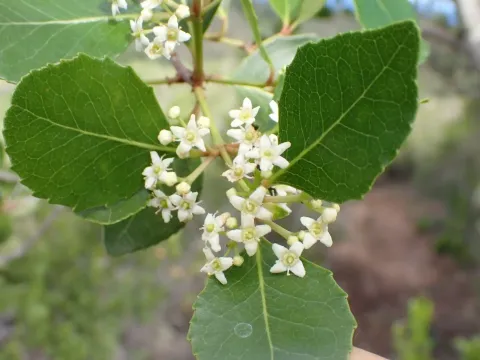
Cassine
Cassine
Cassine is a genus of evergreen trees and shrubs belonging to the Celastraceae family. Native to the tropical and subtropical regions of Africa and various islands in the Indian Ocean, these plants thrive in environments with consistent warmth and stable humidity levels.
What the section contains


Cassine
The cultivation of Cassine requires well-drained soil rich in organic matter. They perform best in locations that receive full sunlight but can tolerate partial shade in hotter climates to prevent leaf scorch. Proper soil acidity is crucial for nutrient absorption.
Agricultural management involves careful irrigation, especially during the establishment phase. While the species is somewhat drought-tolerant once mature, consistent moisture levels significantly improve the foliage density and overall health of the plant.
Pruning is a fundamental part of Cassine maintenance. Regular trimming helps to shape the canopy and encourages lateral growth, making it an excellent choice for hedge formation in suitable climates where temperatures do not drop below freezing.
The practical application of this crop is primarily focused on landscape architecture and urban forestry. Its dense, glossy foliage and ability to withstand periodic trimming make it a valuable asset for greening projects in frost-free regions.
Cassine plants are susceptible to common pests such as scale insects and mealybugs, which tend to infest the undersides of the leaves. Early detection and treatment with horticultural oils or systemic insecticides are highly recommended.
Fungal pathogens represent the most significant threat to the plant, particularly in areas with high humidity or poor air circulation. Symptoms often include leaf spotting and, in severe cases, defoliation of the younger branches.
Root rot is a common issue caused by waterlogged soil conditions. Implementing a rigorous drainage plan is essential, and growers should avoid placing these plants in areas with poor soil permeability to prevent long-term damage.
Maintaining proper spacing between individual plants is a key preventive measure against the spread of pests and diseases. This ensures adequate airflow and light penetration throughout the foliage, reducing the likelihood of infection.
Regular sanitation of pruning tools is vital to prevent the transmission of bacteria and viruses between healthy and infected plants. Integrating an effective IPM (Integrated Pest Management) strategy helps ensure the longevity of the plantings.