
Canotia
Canotia
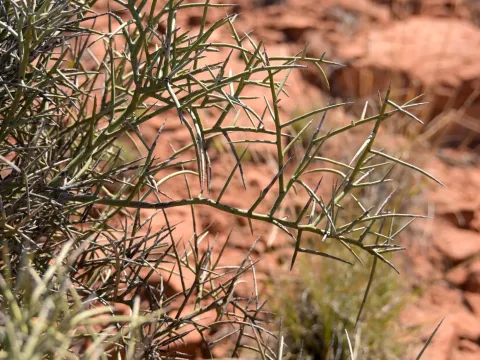
Canotia (Canotia holacantha) is a unique, monotypic genus of shrubs within the Celastraceae family. Often referred to as the crucifixion thorn, this plant is remarkably adapted to the harsh, arid environments of the Southwestern United States and Northern Mexico.
What the section contains

Canotia
Botanically, the plant is characterized by its reduced leaves and green, photosynthetic stems, which are a physiological adaptation to minimize transpiration. It typically grows as a dense, spiny shrub or a small tree, reaching heights of several meters in its native desert habitat.
The culture thrives in extremely well-drained, sandy or gravelly soils. It is highly intolerant of wet feet, making soil porosity the most critical factor for successful establishment. It requires full sunlight exposure to maintain its metabolic processes and structural integrity.
Cultivation practices involve minimal intervention, as the plant is highly self-sufficient once established. However, during the seedling phase, careful management of light and moisture is necessary to ensure the plant develops a robust root system capable of navigating rocky substrates.
The species is primarily utilized in xeriscaping and ecological restoration projects aimed at mimicking natural desert ecosystems. Its slow growth rate and architectural form make it an interesting specimen for specialized landscaping in hot, dry climates.
The primary threat to Canotia in cultivated settings is root rot, typically caused by excessive irrigation or poor drainage. Protecting the collar of the plant from prolonged contact with moist soil is essential to prevent fungal proliferation.
While the plant possesses natural chemical defenses, it can still be susceptible to specific desert-dwelling beetles that target woody tissues. Monitoring for signs of boring insects is a standard procedure in maintaining the health of mature specimens.
Pathogenic fungi can emerge during prolonged periods of unseasonal humidity. These infections usually manifest as localized necrosis on the green stems, which can spread if the environment does not dry out sufficiently to halt fungal sporulation.
Good agricultural hygiene, including the removal of debris from around the plant base, helps in reducing the inoculum pressure of soil-borne pathogens. Adequate spacing between plants also promotes airflow, which is crucial for maintaining a dry canopy.
Preventative measures are generally more effective than remedial ones for this species. Given its slow growth and physiological niche, chemical treatments should be used sparingly and only when significant pest or disease pressure is detected by an agronomist.