
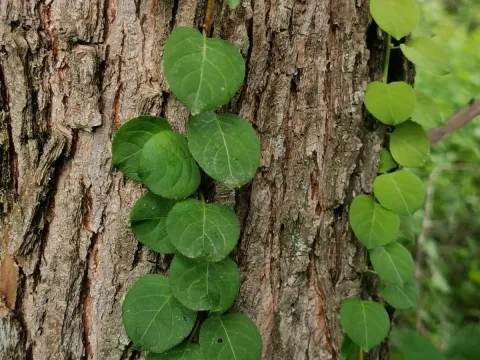
Celastrus flagellaris
Celastrus flagellaris
Propagation of Celastrus flagellaris is typically achieved through seeds, which require a period of cold stratification to break dormancy and ensure uniform germination.
What the section contains
Celastrus flagellaris
For best results, seeds should be sown in the fall, allowing them to experience winter temperatures naturally before sprouting in the spring season.
Alternatively, vegetative propagation through semi-hardwood cuttings taken during the summer months is a reliable method for cloning desirable genotypes.
When starting from cuttings, the use of rooting hormones can significantly increase the success rate and promote a robust root system before the onset of winter.
Young plants should be spaced at least 2 meters apart to allow for proper airflow and to prevent the dense foliage from creating conditions favorable for fungal diseases.
Belonging to the Celastraceae family, this species is a woody, deciduous vine native to East Asia, known for its vigorous climbing habit and rapid growth.
The plant thrives in well-drained, moderately fertile soils and exhibits a high degree of adaptability to various light conditions, including full sun and partial shade.
Celastrus flagellaris is known for its cold hardiness, making it suitable for cultivation in diverse temperate climates where other tropical climbers would fail.
Because the vine is naturally aggressive, it requires sturdy support structures such as trellises or walls to manage its weight and prevent damage to nearby buildings.
Maintenance involves periodic pruning to control the spread of the vine, especially when cultivated in small garden spaces or controlled agricultural settings.
Harvesting for pharmacological or ornamental use requires careful timing, with bark collection performed in early spring during the active sap flow phase.
Roots are harvested late in the autumn after the plant has entered dormancy, ensuring that the stored nutrients are at their peak level in the underground tissues.
The drying process must be carried out in a cool, dark, and well-ventilated environment to prevent the degradation of heat-sensitive chemical compounds.
Once dried, the harvested materials must be sorted and cleaned to remove debris, soil, or any discolored segments that may compromise the quality of the product.
Proper storage in moisture-resistant containers is essential to preserve the integrity of the botanical components until they are ready for processing or sale.