
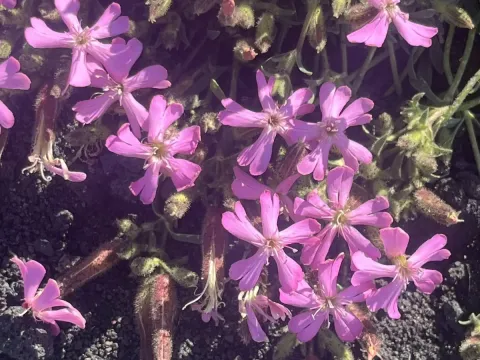
Saponaria sicula
Saponaria sicula
Sowing Saponaria sicula seeds is best performed in the early spring, either in a greenhouse or directly in the garden after the last frost. For better germination, it is recommended to stratify the seeds for a few weeks in a cold environment before sowing them.
What the section contains
Saponaria sicula
Because the seeds are tiny, they should be surface-sown and pressed gently into the substrate without covering them with soil. A light dusting of sand can be used to hold them in place while ensuring they receive enough light to trigger the germination process.
Seedlings usually emerge within 14 to 21 days if a consistent temperature of around 20 degrees Celsius is maintained. It is crucial to keep the substrate lightly moist but never waterlogged during this stage to prevent damping-off disease.
Once the true leaves appear, transplant the seedlings into individual pots to allow their root systems to develop properly. Gradually harden off the plants before final transplantation to the permanent garden site in late spring or early summer.
Maintain a planting distance of about 30 to 40 centimeters to ensure adequate airflow between mature plants. This helps in avoiding high humidity levels around the foliage, which is essential for the health of this drought-tolerant species.
Saponaria sicula, a member of the Caryophyllaceae family, originates from the rocky habitats of Sicily. Consequently, it thrives in sunny locations with excellent drainage, mimicking its natural mountainous environment to achieve optimal growth.
The soil should be gritty, sandy, and lean, avoiding heavy clays or nutrient-rich compost that might compromise the plant's structural integrity. Good drainage is non-negotiable; standing water during the winter months is a primary cause of plant loss.
This perennial is remarkably hardy and resistant to drought once established. It requires minimal irrigation, making it an excellent candidate for rock gardens, gravel beds, or xeriscaping projects where water conservation is prioritized.
Temperature tolerance is broad, as the plant is adapted to both the warm Mediterranean summers and cooler conditions. However, in regions with very wet winters, the plant appreciates a protective layer of gravel or mulch around the root neck to prevent rotting.
Minimal fertilization is required; in fact, over-fertilizing can lead to weak, leggy growth. Providing a handful of slow-release mineral fertilizer once in the spring is usually sufficient to support the flowering flush during the active season.
Fungal diseases are the most frequent issues, particularly powdery mildew which can occur if the plants are situated in areas with poor airflow. Maintaining wide spacing between plants is the most effective preventative measure against this type of infection.
Root rot is the most serious threat to Saponaria sicula, usually caused by poor soil drainage. If a plant begins to wilt unexpectedly despite adequate sunshine, it is likely a sign of excessive moisture in the root zone requiring immediate intervention.
Aphids can occasionally infest the flower buds during the peak bloom period, causing damage to the developing inflorescences. Standard organic insecticidal soaps are highly effective at controlling these pests without harming the surrounding beneficial insect population.
Slugs and snails may browse on the foliage during wet, cool weather conditions. Using physical barriers like sharp grit or crushed shells around the base of the plant can discourage them and keep the foliage in pristine condition.
In winter, excessive humidity combined with cold temperatures can cause the plant to collapse. Ensuring that the foliage remains dry and that the ground around the plant is free of debris will significantly improve the chances of overwintering successfully.
The harvest of Saponaria sicula is primarily focused on the collection of seeds for future propagation. Seed heads should be gathered when they turn brown and dry naturally on the stem, indicating that the seeds have reached full maturity.
Cut the seed-bearing stalks on a dry, sunny day after the morning dew has completely evaporated. This prevents moisture from being trapped in the storage bags, which could lead to mold growth and the loss of viability of the harvested seed material.
To extract the seeds, gently shake the dried heads over a clean paper or cloth surface. The seeds are very small and dark, so it is advisable to handle them carefully in a draft-free environment to avoid scattering them unintentionally.
Store the harvested seeds in breathable paper envelopes in a cool, dark, and dry place. Properly dried and stored seeds of Saponaria sicula can maintain high germination rates for at least two to three years under ideal conditions.
If you prefer not to collect seeds, it is recommended to deadhead the plants after the main flowering phase. This practice redirects the plant's energy towards root development and foliage health rather than seed production, ensuring a more vigorous bloom the following year.