
Petrocoptis pyrenaica
Petrocoptis pyrenaica
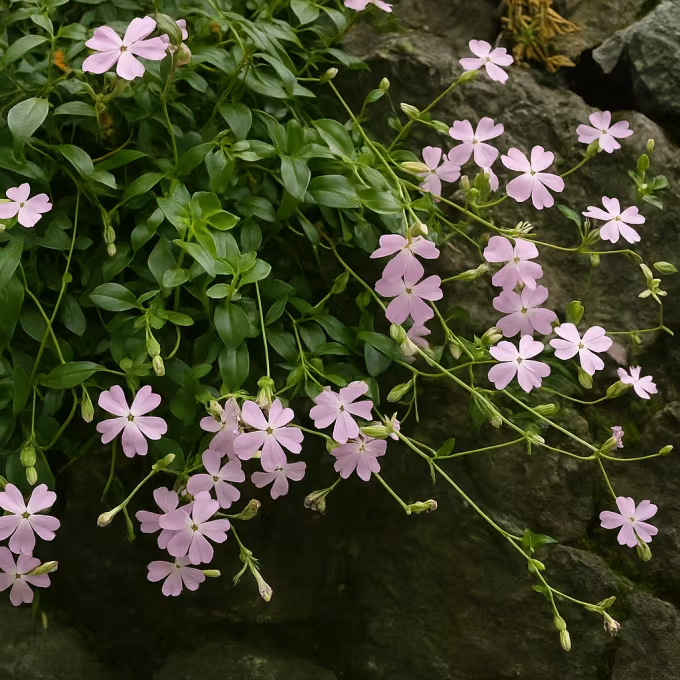
Description
Sowing dates
Petrocoptis pyrenaica is primarily propagated through seeds, as the plants are notoriously sensitive to root disturbance and division. Seeds are best sown in late autumn to allow for natural cold stratification during the winter months.
For spring sowing, seeds must be kept in cold storage for 4 to 8 weeks to break dormancy. Using a porous, grit-based sowing mix is essential to prevent seed rotting and ensure a successful germination rate.
Seeds are light-dependent for germination, so they should be surface-sown and barely covered with a fine layer of grit. Keeping the sowing medium consistently moist but not saturated is key to supporting early seedling development.
Once seedlings have developed their second set of true leaves, they should be carefully transplanted into individual pots to minimize root competition. Using deep pots helps accommodate the developing taproot system common in this species.
Transplanting to the final outdoor location is best performed in early summer once all danger of frost has passed. Planting in a rock crevice or a well-drained slope mimics the plant’s natural habitat and encourages faster establishment.
Growing requirements
Petrocoptis pyrenaica is a fascinating member of the Caryophyllaceae family, native to the limestone cliffs and rocky screes of the Pyrenees. It is valued by alpine enthusiasts for its cushion-like habit and delicate, long-lasting blooms.
The plant demands a gritty, mineral-rich soil with a slightly alkaline pH to thrive. In garden settings, it is best grown in specialized rock garden soil mixtures that offer rapid drainage and low organic matter content.
Full sun is non-negotiable for this species, as it requires intense light to maintain its compact, dense foliage structure. Insufficient light exposure often leads to weak, straggly growth and a significant reduction in flowering performance.
While the plant is hardy to cold, it struggles with high humidity and stagnant moisture during the winter months. Protecting the foliage from winter wetness using a glass or plastic cover is recommended in regions with high precipitation.
Irrigation should be minimal and focused strictly on the root zone, avoiding any overhead watering. Allowing the soil to dry out almost completely between waterings is crucial for maintaining plant health and preventing root rot.
Main diseases and pests
Fungal diseases related to high moisture, such as root and crown rot, are the primary cause of plant death. These pathogens thrive in stagnant soil conditions, making drainage the most critical factor in successful cultivation.
Pests like aphids may occasionally colonize the soft tips of new growth during warm weather. Manual removal or the application of insecticidal soap is generally sufficient to manage infestations without damaging the delicate plant tissues.
Slugs and snails may find the succulent-like foliage of the plant attractive during damp spells. Using physical barriers like sharp grit around the crown helps deter these pests from reaching the foliage of the plant.
Inadequate airflow can lead to the development of mold or mildews, particularly in the center of the dense cushions. Pruning away old or yellowing foliage regularly helps improve air circulation and maintains plant hygiene.
Excessive use of liquid fertilizers can alter the soil composition and cause root burn. The plant prefers low-fertility conditions and generally does not require any additional feeding when grown in a well-prepared rock garden substrate.