
Petrorhagia
Petrorhagia
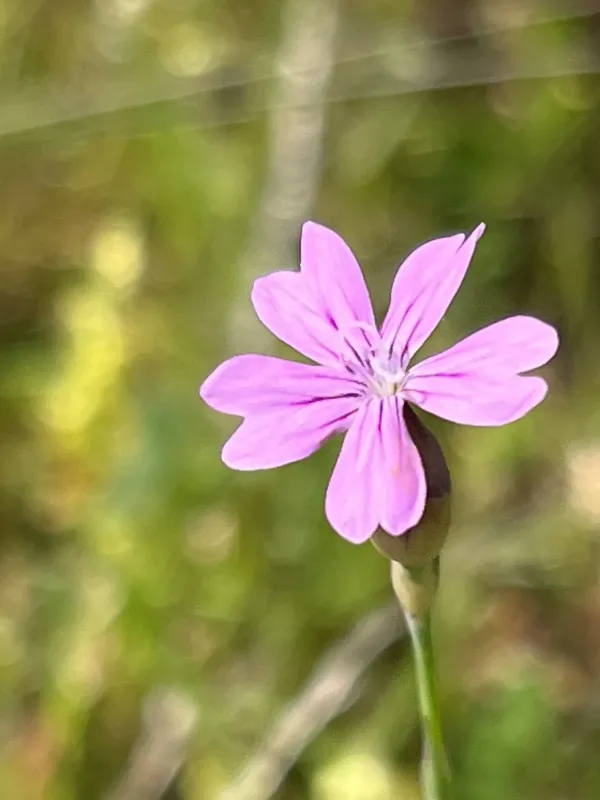
Description
Sowing dates
Petrorhagia is typically propagated from seeds, which can be sown directly into the open ground during the spring months after the danger of frost has passed.
For earlier blooms, gardeners often start seeds indoors in late winter, utilizing light, well-draining seed-starting mixes to ensure successful germination.
Seeds should be covered very lightly, as light is often beneficial or necessary for the germination process of many species within this genus.
Once the seedlings develop their first true leaves, they should be pricked out into individual pots to strengthen their root systems before final transplanting.
Hardening off the plants is a crucial step that allows them to acclimate to outdoor conditions before being set in their permanent garden positions.
Growing requirements
Belonging to the Caryophyllaceae family, Petrorhagia thrives in environments that mimic its native rocky, Mediterranean-like habitats.
The plants demand full sun exposure to maintain their compact habit and promote a consistent display of delicate flowers throughout the season.
Well-drained, gritty, or sandy soil is essential for the health of this genus, as it is highly sensitive to moisture accumulation around the crown.
These plants are remarkably drought-tolerant once established, making them ideal candidates for xeriscaping or low-maintenance rock gardens.
Avoid heavy mulching or over-fertilization, as these practices can encourage leggy growth and reduce the plant's natural hardiness.
Main diseases and pests
The most significant threat to Petrorhagia is root rot, which is almost exclusively caused by excessive soil moisture and poor drainage conditions.
Poor air circulation, particularly in humid climates, can lead to outbreaks of powdery mildew, manifesting as a thin white film on the foliage.
While generally pest-resistant, aphids can occasionally infest tender growth, especially during periods of drought-induced stress for the plant.
To mitigate these risks, ensure the planting site is elevated or properly graded to allow rapid water runoff during heavy rainfall events.
Regular monitoring and thinning of overcrowded clumps help improve air flow, which is one of the most effective ways to prevent fungal issues.