
Pearlwort
Sagina saginoides
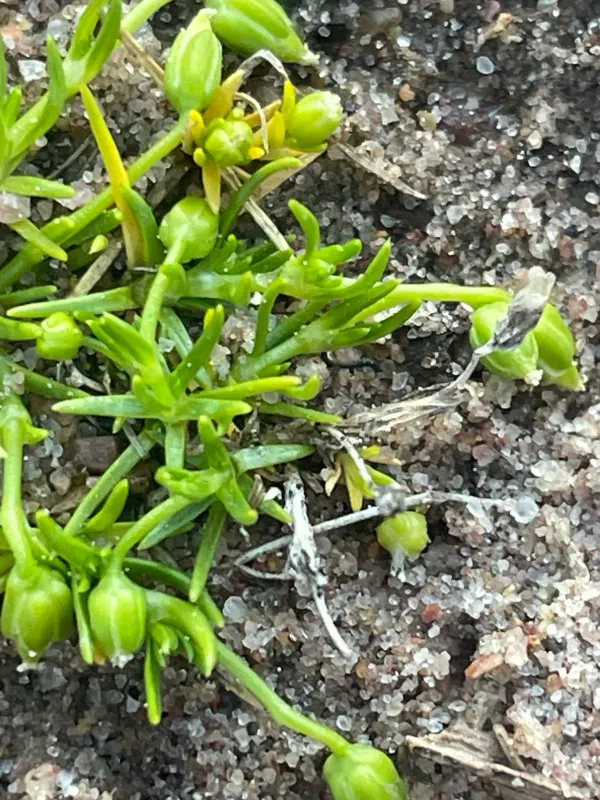
Description
Sowing dates
Sowing of pearlwort is typically performed during the early spring months once the soil has warmed up and frost risks have passed.
Due to the extremely small size of the seeds, they should be sown on the surface of the soil without burying them deep into the ground.
Mixing the seeds with fine dry sand is a standard professional practice that helps ensure an even distribution over the sowing area.
After the seeds are scattered, it is crucial to keep the topsoil consistently moist using a fine mist sprayer to promote successful germination.
The ideal window for sowing ranges from late April to early May, allowing the plants to establish a robust root system before summer stress.
Growing requirements
Sagina saginoides belongs to the Caryophyllaceae family and thrives in well-drained, sandy-loam soils with a neutral pH level.
The plant requires plenty of sunlight to maintain its dense mat structure, although partial shade is acceptable in extremely hot climate zones.
This hardy perennial species is cold-tolerant and can successfully overwinter in moderate to harsh climates given sufficient snow cover.
Regular irrigation is essential, as the plant is sensitive to drought, but waterlogging should be strictly avoided to prevent root diseases.
Maintenance tasks include periodic cleaning of the mat from encroaching weeds to ensure that the pearlwort can expand without competition.
Main diseases and pests
The primary threats to this culture are fungal root rots which develop rapidly in soil with poor drainage or excessive humidity levels.
Overcrowded areas with insufficient air circulation are prone to developing mold and browning of the leaves, ruining the aesthetic appearance.
Slugs and snails are the most common pests, as they feed on the soft, succulent stems of the plant, especially during rainy weather.
Preventative measures involve ensuring the planting site has excellent aeration and avoiding overhead watering late in the day.
When pests or diseases are identified, appropriate localized fungicide or molluscicide treatments should be applied to protect the crop.