
Petrocoptis grandiflora
Petrocoptis grandiflora
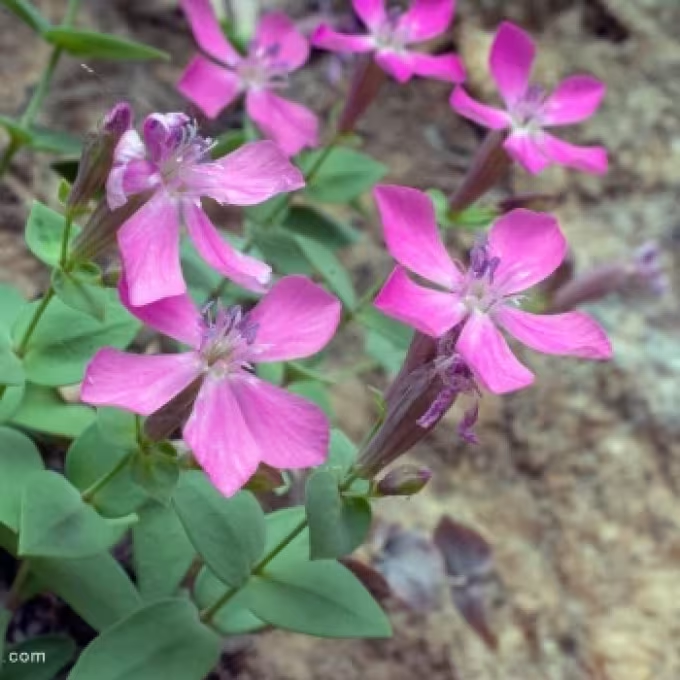
Description
Sowing dates
Sowing seeds of Petrocoptis grandiflora is best performed during the spring months, once the soil has warmed up to provide an optimal environment for seed germination.
For container-grown starts, sow the seeds in a light, well-draining substrate amended with sand or small pebbles to replicate the natural rocky conditions of the species.
When direct sowing in the garden, ensure the soil surface is loose and free from debris; seeds should be covered only very lightly to allow access to necessary light for successful sprouting.
Maintain a consistent, light moisture level in the substrate throughout the germination phase, ensuring the environment is neither waterlogged nor allowed to dry out completely.
Seedlings are ready for transplanting once they reach the two-to-three leaf stage, provided they have been sufficiently hardened off to withstand outdoor weather conditions.
Growing requirements
Petrocoptis grandiflora is a member of the Caryophyllaceae family and is native to the high mountain ranges of the Pyrenees, where it grows in limestone crevices.
This plant thrives in alkaline, well-draining soils that offer excellent aeration to the root system, preventing the accumulation of excess moisture that is harmful to the plant.
It prefers sunny locations where it can receive ample light throughout the day, although in extremely hot climates, it benefits from slight afternoon shade to prevent thermal stress.
As a hardy perennial, the plant is well-adapted to cooler climates and can withstand significant frost, provided it is planted in an area with good air circulation.
Minimal fertilization is required for this alpine species, as it is adapted to nutrient-poor soils; excessive nitrogen can lead to weak, leggy growth rather than a compact rosette.
Main diseases and pests
The primary concern when cultivating this species is fungal infection, which is often a direct result of improper drainage or poor air circulation around the crown.
Root rot is the most common health issue, appearing when water stands around the roots for extended periods, necessitating the use of specialized gravelly soil mixes.
Slugs and snails present a seasonal threat, particularly during cool, damp springs, as they are attracted to the foliage of many rock garden plant species.
Maintaining a dry mulch layer, such as limestone chips, around the base of the plant is an effective cultural control method to reduce the risk of rot and deter pest access.
Regular monitoring of the foliage and removing any dead or decaying plant tissue will significantly lower the chances of infection, keeping the colony healthy and vigorous.