
Petrorhagia nanteuilii
Petrorhagia nanteuilii
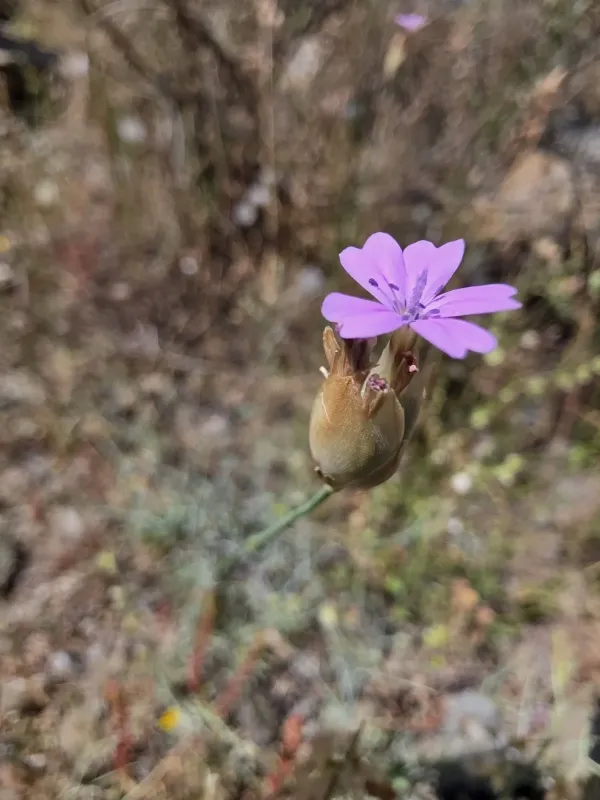
Description
Sowing dates
Petrorhagia nanteuilii is an annual herbaceous plant that typically initiates its growth cycle in autumn or early spring. The seeds require favorable moisture conditions and cool temperatures to break dormancy and trigger successful germination in the field.
When sowing, seeds should be placed at a shallow depth of 1–2 centimeters. Given their small size, it is essential to ensure they have adequate contact with the soil while remaining exposed to enough light to stimulate early development.
The plant exhibits vigorous early growth, establishing a strong root system that allows it to thrive in competitive environments. Proper timing of the sowing process is crucial to ensure that the seedlings become well-established before the onset of extreme weather conditions.
Planting density should be managed to avoid overcrowding. Excessive density can lead to nutrient competition and a higher risk of disease, as the plants require sufficient air circulation to remain healthy and vibrant throughout their growth cycle.
In large-scale or experimental settings, standard mechanical seeding techniques are used to maintain consistent row spacing. This facilitates weed control and improves the overall health of the crop by allowing each plant sufficient access to sunlight.
Growing requirements
This species thrives in well-drained, sandy or gravelly soils. It has a high tolerance for nutrient-poor substrates, making it an excellent candidate for restoring degraded landscapes or growing in soils that do not support more demanding crops.
Full sun is a primary requirement for Petrorhagia nanteuilii. The plants perform best in open, unshaded areas where they can maximize their photosynthetic efficiency and produce a dense, healthy canopy of foliage and flowers.
The plant is highly drought-tolerant, exhibiting xerophytic adaptations that allow it to withstand periods of low water availability. However, consistent moisture during the early vegetative stage will significantly increase overall biomass production.
Ideal temperatures for growth range between 18°C and 25°C. The species is well-adapted to the fluctuations characteristic of its native Mediterranean-like habitats, showing resilience to moderate temperature variations and mild frost.
Soil pH levels should ideally be neutral or slightly acidic. The plant is sensitive to waterlogged conditions, which can lead to root failure. Therefore, site selection should prioritize areas with naturally good drainage and high levels of soil oxygenation.
Main diseases and pests
Root rot is the most significant disease affecting Petrorhagia nanteuilii. It is generally triggered by excessive soil moisture and poor drainage, which can rapidly compromise the integrity of the root system and cause premature plant death.
Aphids represent the primary insect pest, as they tend to feed on the tender young growth and flower buds. Significant aphid infestations can lead to stunted growth, distorted flowers, and a decrease in total seed production.
Soil-dwelling larvae can also cause damage to the roots of young seedlings, potentially leading to sparse stand establishment. Early monitoring of the field is necessary to identify and mitigate such threats before they become widespread.
Effective disease management relies on maintaining low humidity around the plant base through proper spacing. Avoid over-irrigation during periods of high ambient humidity to prevent the conditions that favor fungal development.
Overall, Petrorhagia nanteuilii maintains a strong natural resistance to many common pests. When managed with appropriate agricultural techniques, the crop requires minimal chemical intervention, aligning with sustainable and low-input farming goals.