
Petrorhagia thessala
Petrorhagia thessala
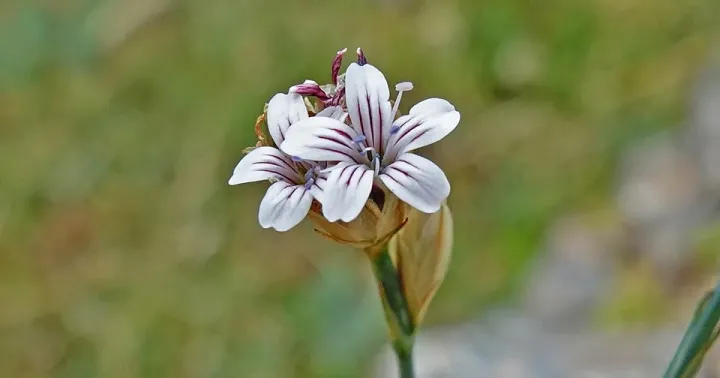
Description
Sowing dates
Petrorhagia thessala belongs to the Caryophyllaceae family and is recognized for its delicate, grass-like appearance and long flowering period.
Sowing in the autumn is the most effective method, as the seeds benefit from natural winter chilling to break dormancy before spring germination.
When starting seeds indoors, a stratification period of approximately 4 to 6 weeks at low temperatures is required to achieve uniform results.
Surface sowing is recommended, as the seeds are quite small and require exposure to light to initiate the biological growth processes.
Maintain consistent but light moisture levels during the germination phase to ensure the tiny seedlings develop strong root systems quickly.
Growing requirements
This species thrives in well-drained, gritty soils, reflecting its natural preference for rocky and open slopes in its native Mediterranean habitats.
The plant requires full sun exposure to maintain its compact growth habit and prevent etiolation, which leads to weak and sparse stems.
It exhibits high tolerance to drought, making it an excellent candidate for xeriscaping or traditional rock garden landscaping applications.
Nutrient requirements are very low; heavy fertilization is counterproductive and often results in leggy plants prone to lodging.
Proper airflow is essential for this species to ensure the foliage dries quickly after rains, preventing moisture-related physiological issues.
Main diseases and pests
The primary threat to Petrorhagia thessala is root decay, which occurs almost exclusively in heavy, water-retentive, or poorly drained soils.
Fungal infections can quickly spread in high-humidity environments, necessitating the use of breathable substrates and adequate spacing.
Pests such as aphids may occasionally congregate on the flower buds during the peak of the blooming season, requiring manual removal.
Careful site selection is the best preventative measure against the most common diseases associated with this delicate herbaceous perennial.
- Root rot
- Powdery mildew
- Aphids
- Fungal spotting