
Petrocoptis crassifolia
Petrocoptis crassifolia
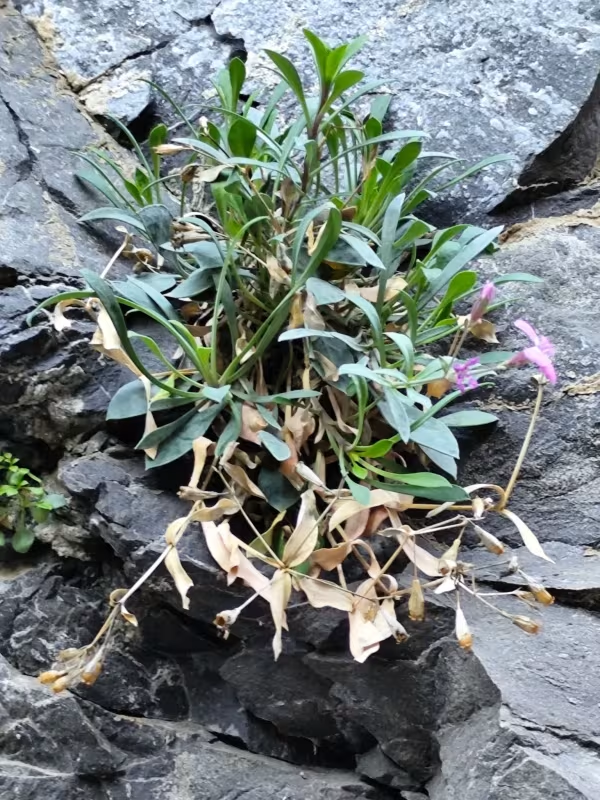
Description
Sowing dates
Petrocoptis crassifolia is typically propagated through seeds, which require specific conditions to break dormancy. Sowing should ideally occur in early spring or late autumn, allowing the seeds to undergo a natural cooling period, which enhances the overall germination rate.
The seeds must be sown in a well-draining substrate, preferably a mix of coarse sand and grit. Given their small size, they require only minimal covering, as exposure to light is crucial for the successful development of seedlings during the initial growth stages.
Maintaining a cool environment for the seed trays is essential. A temperature range between 10 and 15 degrees Celsius is optimal, as excessive heat can lead to premature sprouting followed by rapid wilting, which is common in alpine-type plants.
Seedlings should be kept in a bright location but out of direct, scorching sunlight until they develop true leaves. Watering should be done carefully to keep the soil moist but not soggy, preventing the dreaded damping-off disease common in indoor propagation.
Transplanting into the permanent garden site should be scheduled after the danger of severe frost has passed. Hardening off the plants over several days before final planting will help them adjust to the outdoor environment and establish their root systems effectively.
Growing requirements
This species belongs to the Caryophyllaceae family and is native to rocky, mountain environments. It thrives in sites with full sun exposure, requiring at least six hours of direct sunlight daily to maintain its compact habit and encourage abundant flowering.
Soil structure is the most critical factor for the longevity of Petrocoptis crassifolia. It requires a neutral to slightly alkaline soil with excellent drainage; thus, incorporating large amounts of gravel or limestone chips into the planting site is highly recommended.
The plant is naturally adapted to drought-like conditions due to its thick, succulent-like foliage. Overwatering is the most common cause of failure; the soil must be allowed to dry out significantly between watering sessions to mimic its native alpine habitat.
During the winter months, moisture management becomes critical. If the climate is prone to wet winters, protecting the crown of the plant with a layer of grit or providing a rain shelter can prevent the foliage from rotting due to prolonged dampness.
Fertilization should be kept to a bare minimum. Excess nutrients, particularly nitrogen, will produce lush but weak growth that is susceptible to pests and disease. A light dusting of a potassium-based fertilizer in early spring is sufficient to support healthy development.
Main diseases and pests
Root rot is the primary threat to this species, triggered almost exclusively by poor drainage or excessive soil moisture. Once root decay begins, it is often irreversible, so prevention through proper substrate preparation remains the most effective control method.
While the plant is generally pest-resistant, aphids can occasionally infest the new growth during the height of the flowering season. Monitoring the plants regularly allows for manual removal or the application of gentle horticultural soap to control the population.
Slugs and snails can cause significant damage to young shoots in early spring. Installing barriers such as crushed eggshells or using copper tape around the planting site can help deter these mollusks from reaching the delicate leaves of the plant.
Fungal leaf spots may occur if the plants are placed in stagnant air zones where humidity remains high for extended periods. Ensuring sufficient spacing between individual plants allows for necessary airflow, which helps keep the foliage dry and disease-free.
Sanitation is key to maintaining a healthy patch. Regularly removing spent flower stalks and withered leaves reduces the accumulation of organic debris, which can otherwise harbor pathogens or provide a humid microenvironment that encourages fungal growth.