
Petrorhagia illyrica
Petrorhagia illyrica
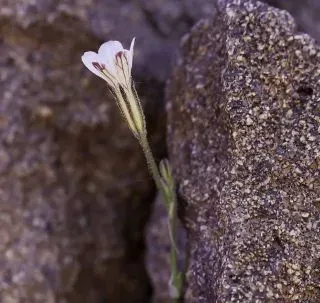
Description
Sowing dates
Petrorhagia illyrica is typically propagated through seeds. The optimal sowing time is during early spring, once the soil has warmed sufficiently, allowing for consistent germination rates in the outdoor environment.
Seeds should be sown at a shallow depth of approximately 0.5 cm. Covering them with a thin layer of fine soil or vermiculite helps maintain the necessary moisture levels without restricting the access of light required for some germination stages.
In greenhouse conditions, sowing can commence in late winter. Using a well-draining seed-starting mix prevents the risk of damping-off, a common issue when starting small seeds in containers.
Transplanting seedlings to their final location should be done carefully to protect the delicate root system. Hardening off the plants for at least a week before setting them outdoors significantly improves their survival rate.
The spacing between individual plants should be maintained at 20-25 cm. This ensures adequate air circulation and provides enough room for the plants to develop their characteristic growth patterns.
Growing requirements
As a member of the Caryophyllaceae family, Petrorhagia illyrica is well-adapted to environments with challenging soil conditions. It thrives in full sun exposure, which is essential for maintaining compact growth and promoting abundant flowering.
The species prefers light, gritty, or sandy soils with excellent drainage. It is highly intolerant of waterlogged conditions, as stagnant water quickly leads to root decay and overall decline of the plant specimen.
One of the most notable features of this crop is its remarkable drought tolerance. Once established, it requires minimal intervention, making it an excellent candidate for xeriscaping and rock garden designs.
The plant performs best in soils with a neutral to slightly alkaline pH. Fertilization should be kept to a minimum; excessive nitrogen intake will encourage lush vegetative growth but may inhibit the plant's natural flowering capacity.
Regular monitoring of the site is recommended, especially in regions with heavy seasonal rainfall. Ensuring that the surface around the root crown remains dry is key to successful long-term cultivation.
Main diseases and pests
Petrorhagia illyrica is generally robust and suffers from few major pests. The primary threat to its longevity is associated with fungal pathogens triggered by poor drainage or high humidity levels near the soil surface.
Root rot caused by Phytophthora or Pythium species is a risk factor during prolonged wet spells. Implementing preventive measures, such as mixing sand or grit into the planting medium, effectively mitigates this hazard.
Foliar diseases, such as leaf spot, can occur in overcrowded plantings where air circulation is restricted. Pruning back affected areas and thinning the stand helps to restore the plant's health.
Occasional infestations of aphids may be observed on flower buds during peak growth. These can be managed through simple biological methods or targeted application of insecticidal soaps if necessary.
- Maintaining a clean, weed-free environment during the early growth stages.
- Using coarse aggregate as mulch to keep the foliage away from soil moisture.
- Regular inspections to catch early signs of pest activity.