
Spanish petrocoptis
Petrocoptis hispanica
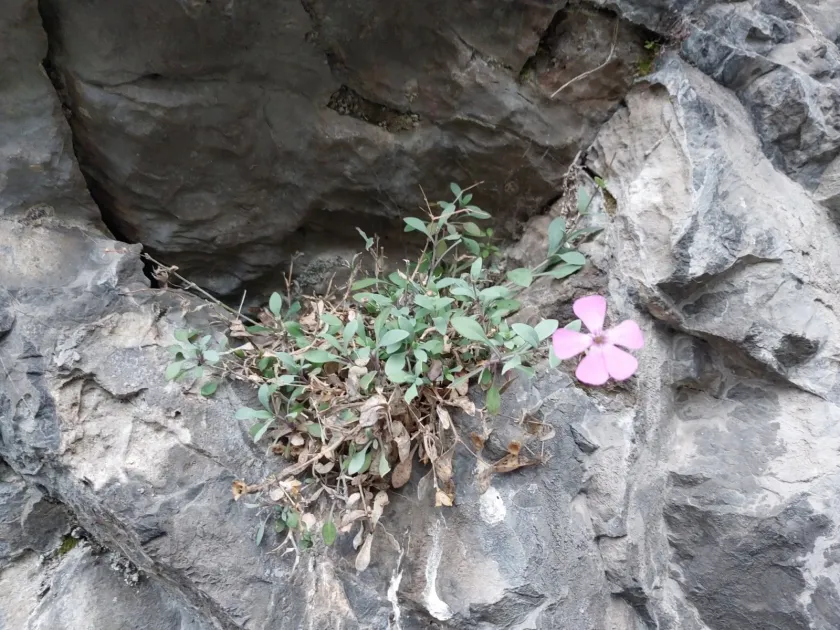
Description
Sowing dates
Sowing seeds of Spanish petrocoptis is best performed in early spring, typically between March and April, using a greenhouse or indoor seed starting method. The seeds require a cold stratification period to break dormancy, mimicking the natural alpine climate of their origin.
A well-draining substrate composed of seed-starting mix, sharp sand, and fine grit is essential for successful germination. The seeds should be sown thinly on the surface, as they require a certain level of light to germinate effectively and should not be buried deeply.
Maintaining constant, light moisture is critical during the germination phase. A fine mist spray is recommended to avoid washing away the tiny seeds or burying them too deep into the soil profile during the initial watering cycles.
Once the seedlings develop their first true leaves, they should be transplanted into individual pots. Using deep, narrow containers is beneficial as the plant develops a taproot system that needs space to establish before moving to a permanent outdoor location.
Transplanting into the permanent garden site should occur after the last risk of frost has passed. It is crucial to handle the seedlings with care, keeping the root ball intact to avoid transplant shock and ensure quick establishment in the rocky substrate.
Growing requirements
Spanish petrocoptis belongs to the Caryophyllaceae family and is native to the limestone cliffs of the Iberian Peninsula. As a true alpine plant, it is adapted to harsh conditions, rocky crevices, and poor soils, requiring specific care in garden environments.
The plant thrives in full sun exposure. While it can tolerate light afternoon shade in exceptionally hot climates, full sun is necessary to maintain its tight, cushion-like growth habit and to promote the formation of its characteristic delicate flowers.
Soil requirements focus on perfect drainage and a neutral to alkaline pH. Heavy, clay-based soils are detrimental, leading to root rot; thus, it is best grown in a rock garden, trough, or a raised bed specifically prepared with a mix of grit, sand, and limestone chippings.
Temperature tolerance is high, as the species is adapted to alpine winters. However, excessive winter dampness is the plant's greatest enemy. Providing a gravel mulch around the crown of the plant helps prevent moisture from lingering on the leaves and stems, reducing rot risk.
Minimal fertilization is required for this species. Feeding it with rich compost or high-nitrogen fertilizers will result in weak, floppy stems and may make the plant more susceptible to pests and disease, undermining its natural compact appearance.
Main diseases and pests
Root and crown rot are the primary threats to Spanish petrocoptis in a garden setting. These fungal issues are almost exclusively caused by inadequate drainage or persistent waterlogged soil, especially during dormant winter months or unseasonably wet summers.
Slugs and snails can pose a significant threat to young plants and tender new growth. Protecting the plants with a layer of sharp grit or using natural deterrents during the spring emergence phase is often sufficient to keep these pests away from the foliage.
In hot and dry conditions, spider mites may become a localized problem. These tiny pests thrive in arid environments and can damage the foliage; regular, light watering or spraying of the plants in the evening can help prevent their colonization.
If fungal issues arise, prompt removal of affected material is necessary. Applying a fungicide may be required in severe cases, but the best approach is to re-evaluate the planting site for improved drainage and air circulation to prevent recurrence.
Regular maintenance, including the removal of dead foliage after the flowering period, helps keep the plant healthy. This practice reduces the accumulation of debris that can harbor pests and promotes better airflow through the center of the plant's cushion.