
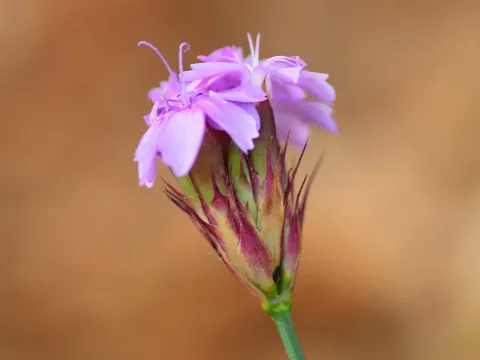
Pine-leaf pink
Dianthus pinifolius
Seeds of Dianthus pinifolius should be sown in the spring once the risk of frost has passed, usually between April and May. For direct sowing, choose a site with excellent drainage and full sun exposure.
What the section contains
Pine-leaf pink
When starting indoors, seeds are sown in seedling trays in late winter, around February or March. They require light to germinate, so they should be pressed into the soil surface without deep covering.
Once seedlings develop two sets of true leaves, they should be thinned or transplanted into individual pots. Maintaining a temperature of 18–20 degrees Celsius ensures consistent germination rates across the batch.
Hardening off the seedlings is a critical step before moving them to the outdoor garden. Gradually introduce them to external conditions over a period of ten days to reduce transplant shock and promote root development.
The planting distance in the garden should be about 25–30 centimeters. This density allows for adequate light penetration and airflow, which are essential for maintaining the plant's health and compact shape.
Dianthus pinifolius, a member of the Caryophyllaceae family, is a herbaceous perennial native to the mountainous regions of the Balkans. It is highly valued for its grass-like foliage and vibrant flower clusters.
The plant thrives in rocky, well-draining soils with a neutral to slightly alkaline pH. It is highly drought-tolerant once established and prefers lean soil over heavily enriched or compost-dense garden beds.
Full sun is mandatory for this species to perform at its peak. In partial shade, the plant tends to become leggy, loses its dense mat-like appearance, and significantly reduces the number of blossoms produced.
Watering should be kept to a minimum, focusing only on dry spells during the first growing season. Overwatering is the most common cause of plant failure, leading to root rot and loss of vigor.
Minimal maintenance is required, consisting primarily of weeding and removing spent flower stalks after the primary blooming period. This helps the plant redirect energy toward root health and foliage growth for the next season.
Root rot is the primary physiological and pathological threat to this plant. It is almost exclusively caused by poorly drained soil or excessive moisture, necessitating the use of gravel or grit in the soil mix.
Fungal infections such as rust can occur during humid summers. To mitigate this, ensure the planting site has good wind circulation and avoid overhead watering that keeps the foliage damp for extended periods.
Aphids can be problematic during the active growth phase, clustering on tender stems and buds. Regular monitoring and the application of mild horticultural oils or soaps are usually sufficient to manage these infestations.
Slugs and snails may attack young plants, particularly during cool and rainy springs. Protective measures such as creating physical barriers or using organic baits can effectively safeguard the young growth from damage.
Good sanitation practices, including the removal of dead or decaying plant material, prevent the overwintering of pests and spores, keeping the population of pathogens at a low, manageable level.